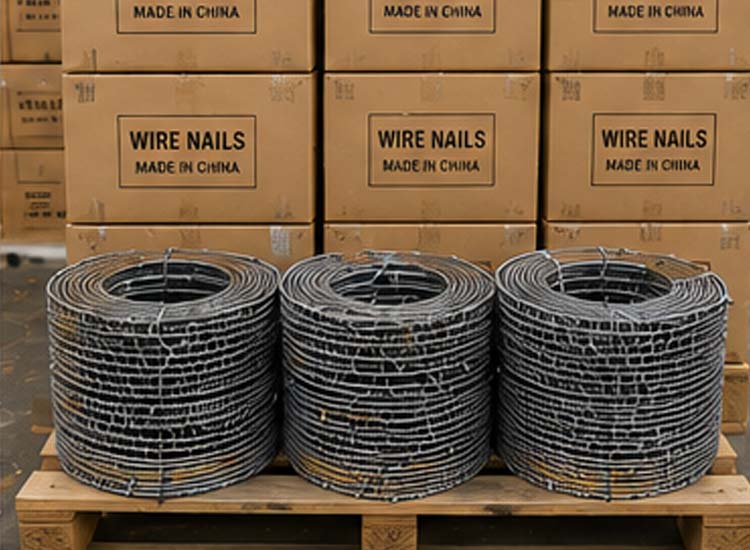
Each construction project places different demands on fasteners.
Using the correct wire nail provides several benefits:
Professional builders always match nail specifications to the intended application.
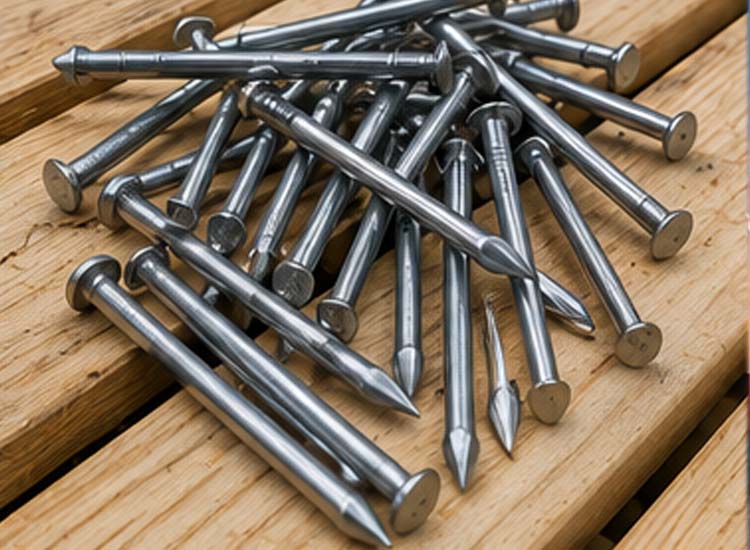
Common nails are the most widely used type in residential and commercial construction.
Typical applications include:
These nails remain the standard choice for general building projects.
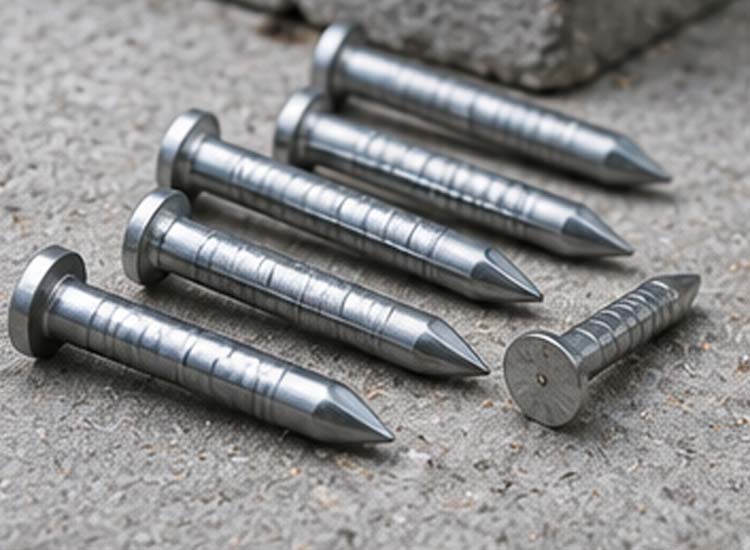
Concrete nails are designed for fastening materials directly into concrete, brick, or masonry.
Typical applications include:
High-carbon steel is commonly used to manufacture concrete nails.
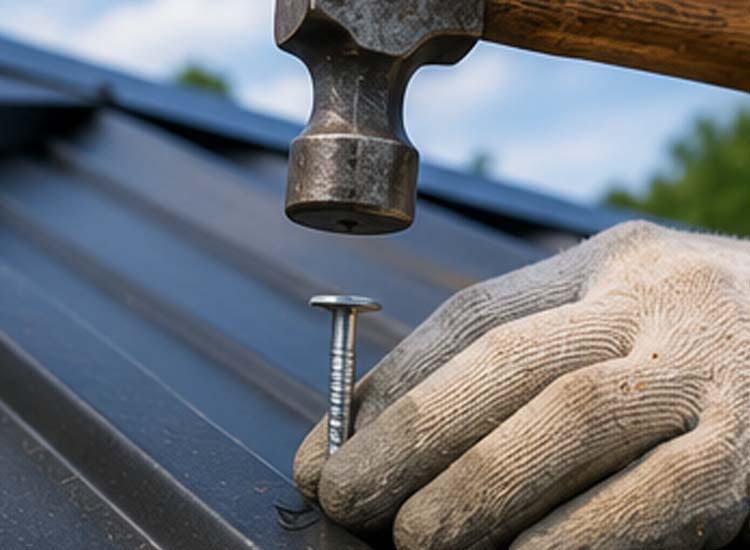
Roofing nails are specially designed for roofing materials.
Common uses include:
Galvanized roofing nails also provide excellent corrosion protection.
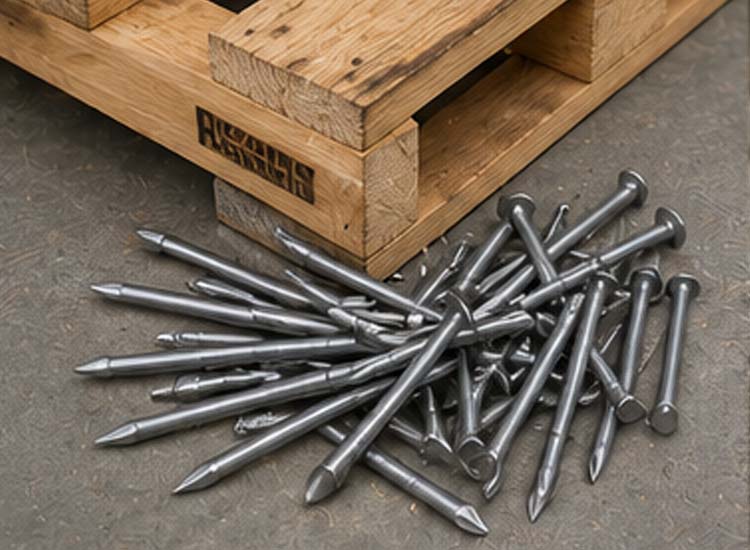
Pallet nails are widely used in:
These nails require excellent strength and consistent dimensions to withstand repeated loading and transportation.
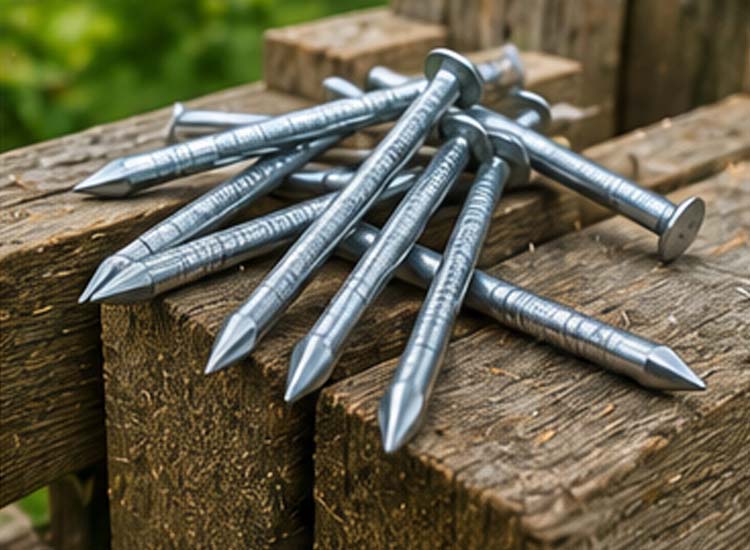
Outdoor projects often expose fasteners to moisture and harsh weather conditions.
Galvanized wire nails offer:
They are commonly used in:
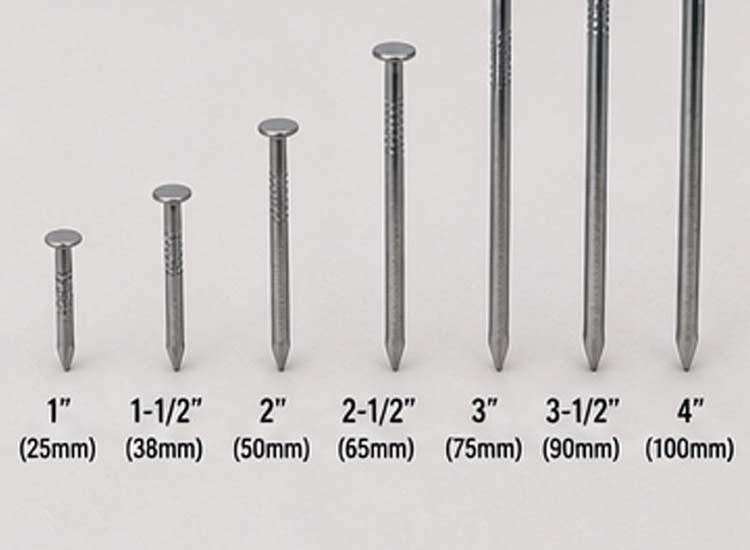
Choosing the correct nail size depends on:
Using excessively short or long nails may reduce connection strength and installation quality.
Manufacturers typically produce a wide range of nail diameters and lengths to satisfy different market demands.
Reliable construction nails should provide:
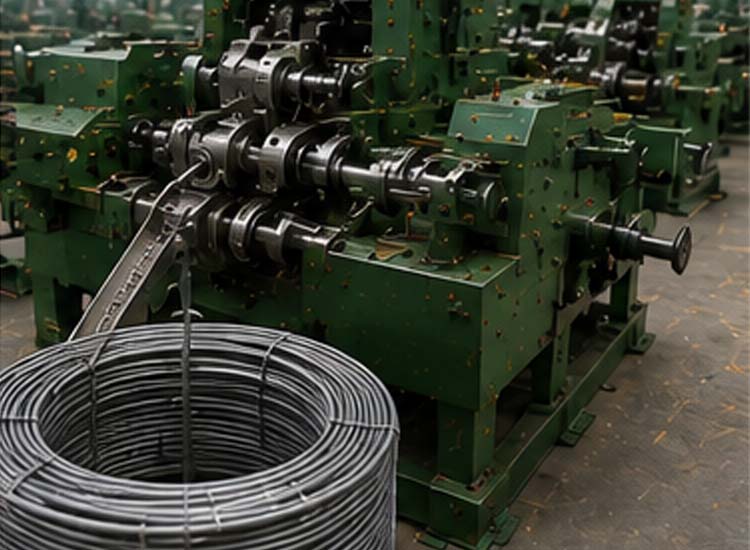
Modern automatic nail making machines maintain these standards through precision manufacturing.
Advanced production equipment helps manufacturers achieve consistent product quality.
Benefits include:
Automation enables manufacturers to supply construction companies with reliable products that meet international quality requirements.
When purchasing wire nails, consider:
Working with experienced manufacturers helps ensure long-term product reliability.
Common nails are the preferred choice for most wood framing applications.
Yes. Galvanized nails provide excellent corrosion resistance for outdoor construction.
Concrete nails are manufactured from harder steel to penetrate masonry materials effectively.
Look for uniform dimensions, smooth surfaces, accurate nail heads, and consistent hardness.
Yes. Automatic nail making machines produce nails with greater consistency and fewer defects than manual production methods.