Selecting the correct nail size improves both construction quality and production efficiency.
Benefits include:
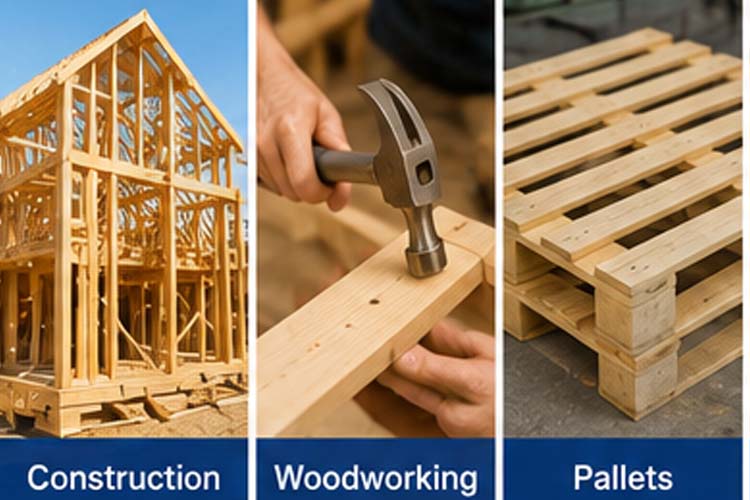
Professional builders always choose nail dimensions according to the project requirements.
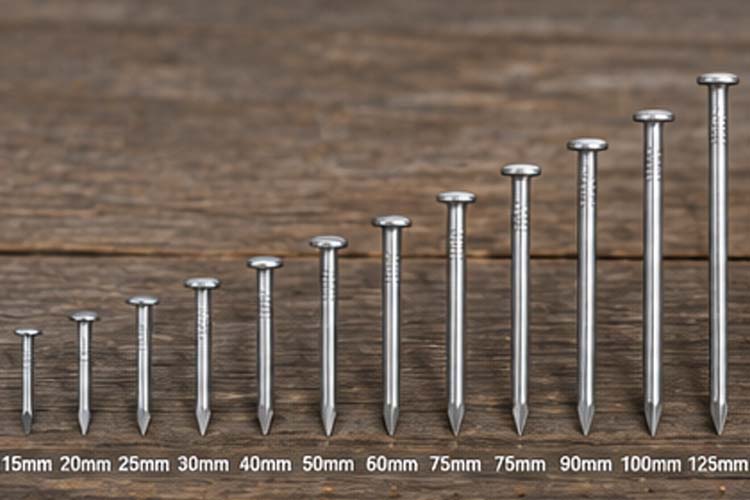
Nail length refers to the distance from the bottom of the nail head to the tip.
Common wire nail lengths include:
| Nail Length | Typical Applications |
|---|---|
| 15–25 mm | Furniture assembly |
| 25–40 mm | Interior woodworking |
| 40–60 mm | Wooden boxes and pallets |
| 60–90 mm | House framing |
| 90–150 mm | Heavy timber construction |
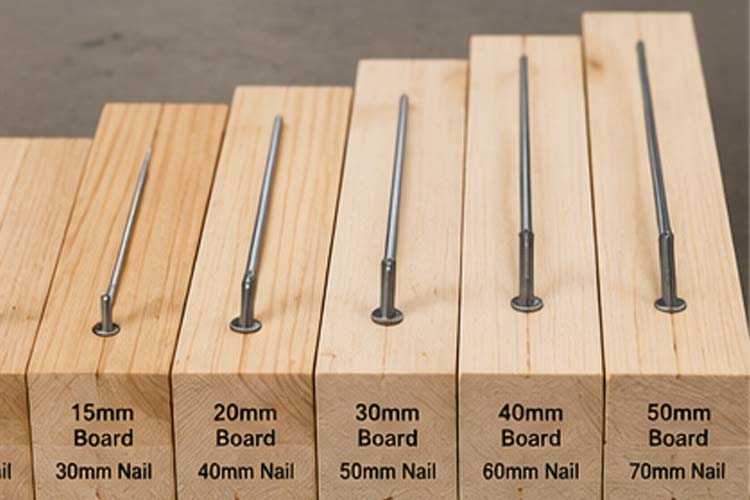
The appropriate length depends on the thickness of the materials being joined.
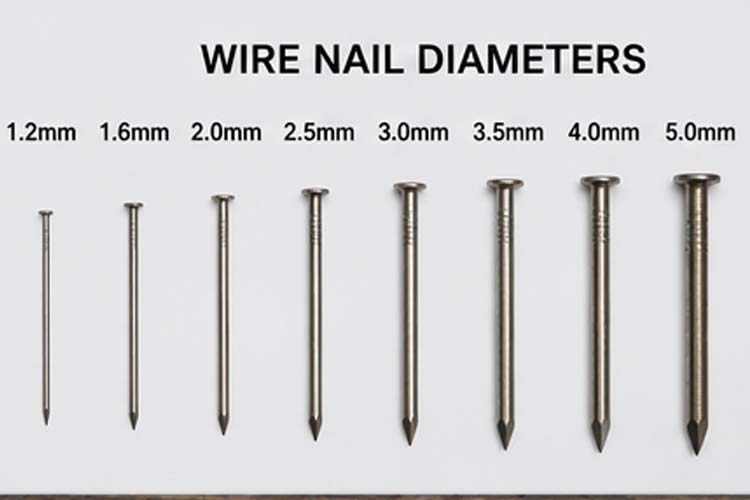
Diameter affects both strength and driving performance.
Common diameters include:
| Diameter | Typical Use |
|---|---|
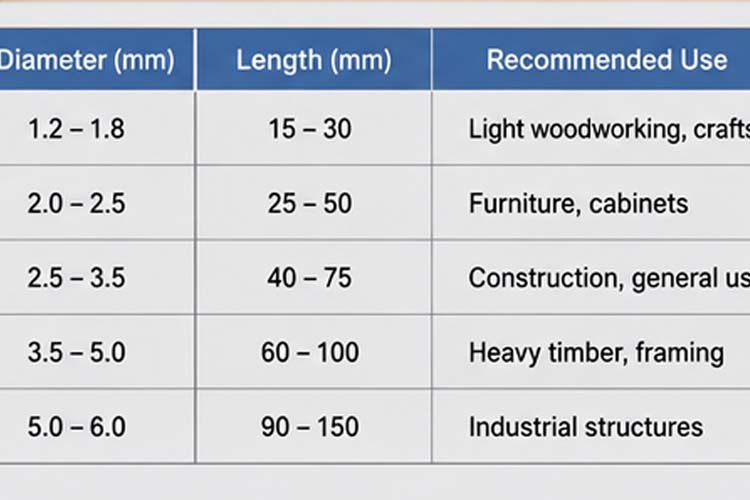
| 1.2–1.8 mm | Light woodworking |
| 2.0–2.5 mm | Furniture |
| 2.5–3.5 mm | Construction |
| 3.5–5.0 mm | Heavy-duty applications |
| 5.0–6.0 mm | Industrial structures |
Thicker nails generally provide greater holding strength but require more driving force.
Consider the following factors:
The nail should penetrate the base material sufficiently without passing completely through it.
Heavy structural connections require larger diameters and longer nails.
Outdoor projects often combine larger nails with galvanized coatings for additional durability.
Softwood, hardwood, plywood, and concrete all require different nail specifications.
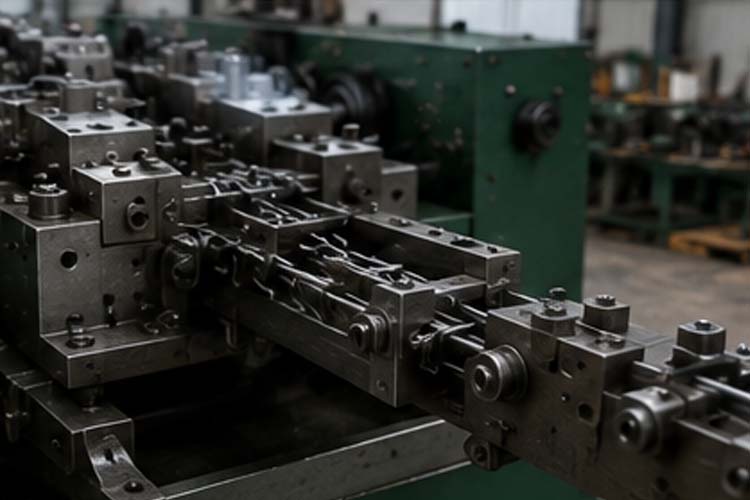
Modern automatic nail making machines ensure:
Precision manufacturing helps reduce customer complaints and improves product reliability.
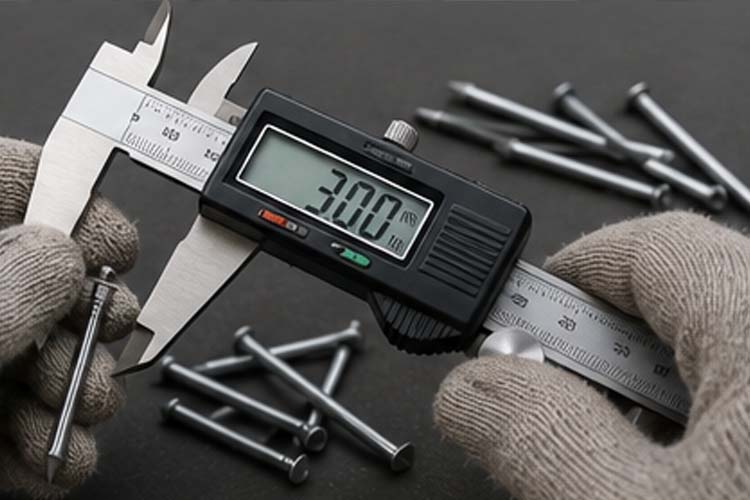
Manufacturers regularly inspect:
Random sampling during production helps maintain consistent specifications.
Many buyers choose nails based only on price.
Other common mistakes include:
Understanding nail specifications helps reduce installation problems and improve long-term performance.
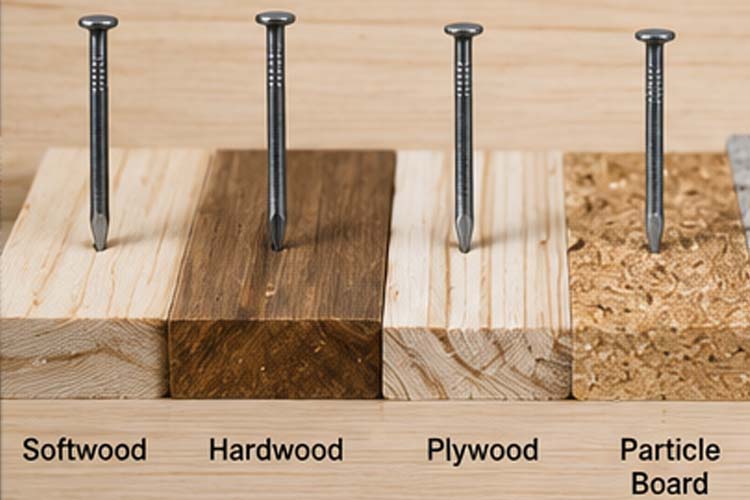
The most common sizes vary by industry, but 50 mm to 75 mm nails are widely used in general construction.
Not always. The correct diameter depends on the material and the required holding strength.
Yes. Modern automatic nail making machines can produce multiple nail sizes by adjusting machine settings and changing tooling.
Consistent dimensions improve installation efficiency and ensure reliable fastening performance.
Not necessarily. Corrosion resistance is usually more important than size alone for outdoor applications.