Wire nails are metal fasteners manufactured from steel wire. They are available in various lengths, diameters, and designs to suit different applications.
Common types of wire nails include:
Due to their strength, affordability, and versatility, wire nails remain one of the most popular fastening solutions worldwide.
The primary raw material used in wire nail manufacturing is steel wire rod.
When selecting raw materials, manufacturers should consider:
High-quality steel wire helps ensure stable production and superior nail performance.
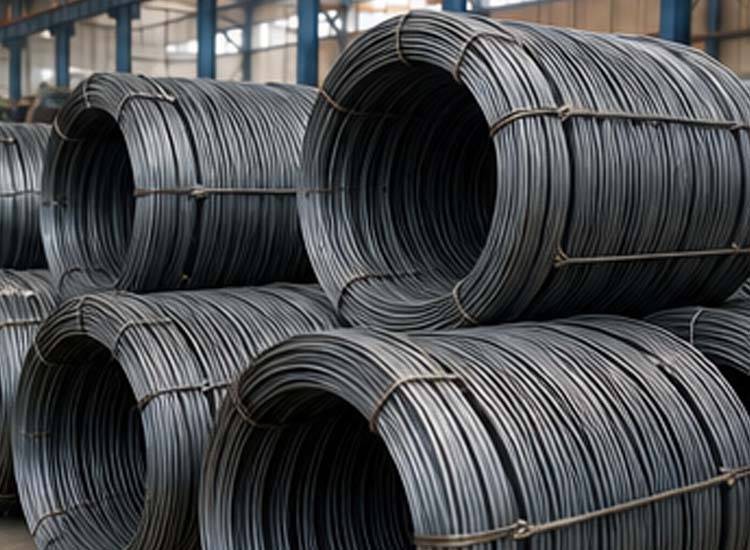
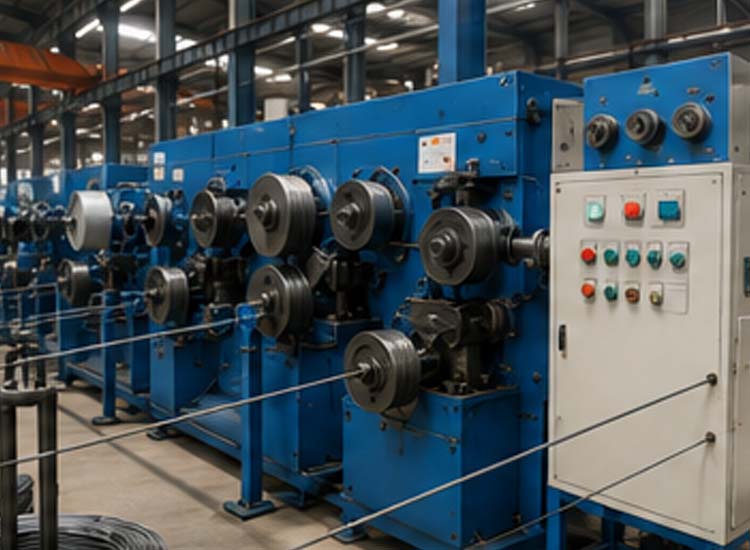
Before nail production begins, steel wire rods are processed through a wire drawing machine.
The wire drawing process reduces the diameter of steel wire to meet the specifications required for nail manufacturing.
Benefits include:
Modern wire drawing machines can process steel wire efficiently while maintaining precise tolerances.
After wire drawing, the processed wire is supplied to the nail making machine.
The automatic wire feeding system ensures:
Reliable feeding systems are essential for maintaining production speed and minimizing downtime.
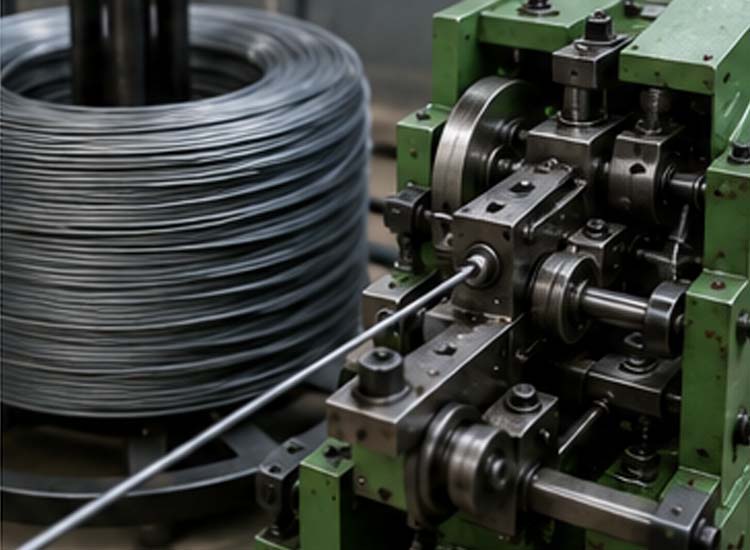
Once the wire enters the machine, it is cut to the required nail length.
Modern high-speed nail making machines use precision cutting mechanisms to achieve:
The cutting stage directly affects the overall quality of the finished product.
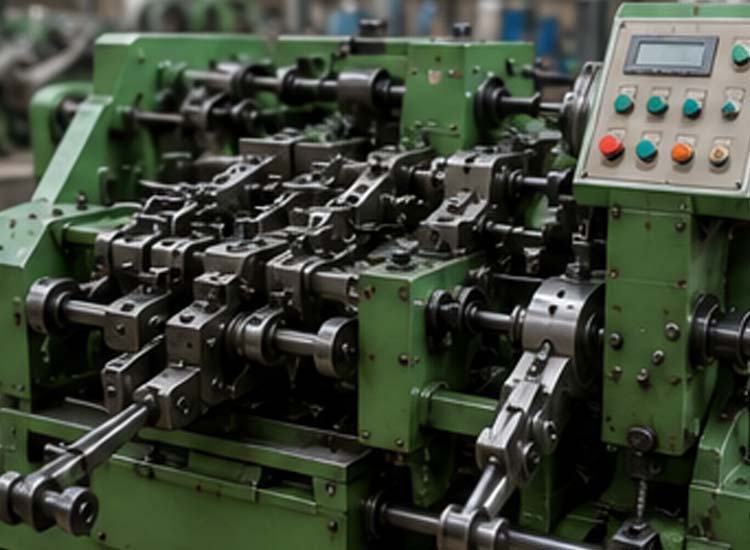
After cutting, the machine forms the nail head using specialized dies and mechanical force.
A properly formed nail head provides:
Advanced machines ensure uniform head dimensions throughout production.
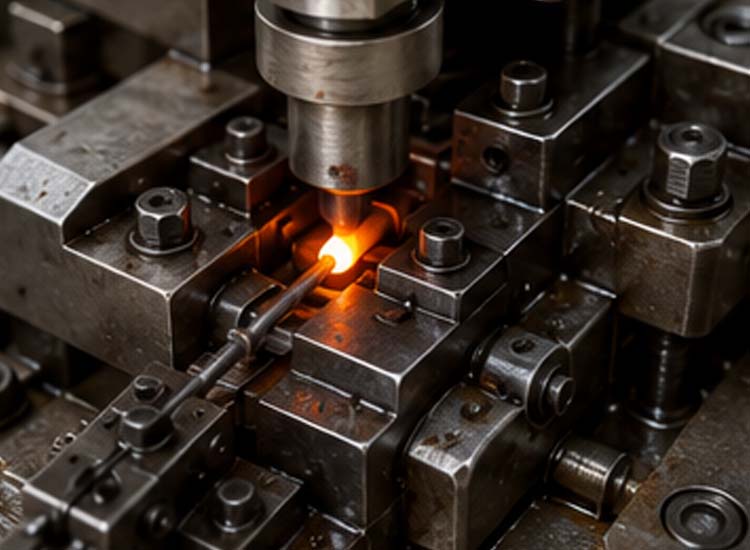
The nail tip is simultaneously shaped during the manufacturing cycle.
A well-formed nail point improves:
Different nail types may require different point designs depending on end-use requirements.
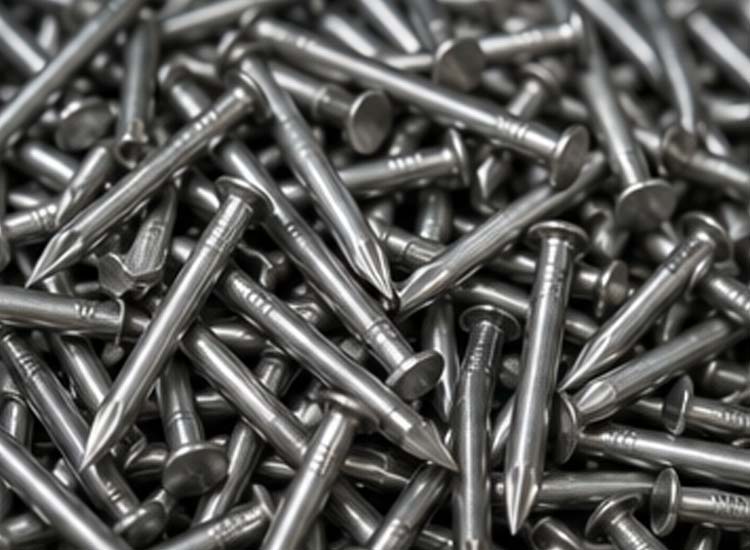
Finished nails are automatically discharged from the production machine.
Manufacturers often perform:
Quality control at this stage helps ensure product consistency before packaging.
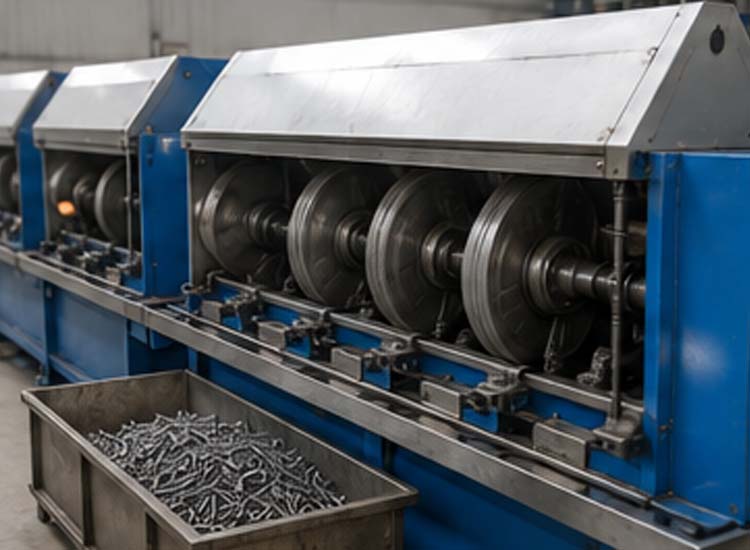
Many manufacturers use nail polishing machines to improve product appearance.
Polished nails are commonly preferred in both domestic and international markets.
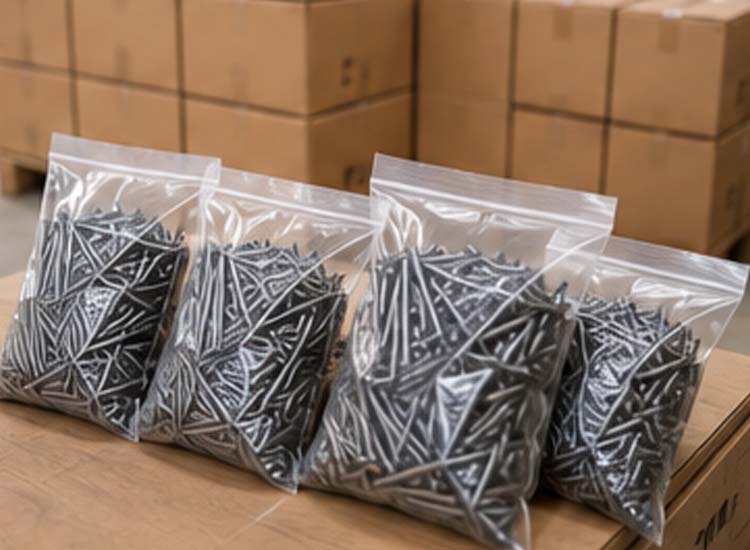
After polishing and inspection, nails are prepared for shipment.
Packaging options include:
Proper packaging protects products during transportation and storage.
A typical wire nail manufacturing line includes:
Processes raw wire rods into the required diameter.
Performs cutting, head formation, and point shaping.
Improves product appearance and quality.
Provides stable pneumatic support.
Automates product packing and improves efficiency.
Automated equipment significantly increases output.
Modern production lines require fewer operators.
Precision systems ensure uniform nail quality.
Advanced feeding and cutting systems improve raw material utilization.
Higher productivity contributes to improved profitability.
Wire nails are widely used in:
Steel wire rod is the primary material used in wire nail production.
Yes. Most modern machines can manufacture multiple nail specifications through adjustments.
Polishing improves appearance, removes residues, and enhances product quality.
By using high-speed automated equipment and maintaining proper machine maintenance schedules.
Construction, furniture, packaging, logistics, and manufacturing industries all rely heavily on wire nails.