Home VIDEO High speed nail making machine Wire Nail Manufacturing Process: From Steel Wire to Finished Nails

High speed nail making machine

Wire Nail Manufacturing Process: From Steel Wire to Finished Nails

Step 1: Steel Wire Preparation

The production of wire nails begins with selecting high-quality steel wire.

Common raw materials include:

  • Low carbon steel wire
  • High carbon steel wire
  • Galvanized steel wire

The quality of steel wire directly affects:

  • Nail strength
  • Surface finish
  • Production efficiency
  • Product consistency

Manufacturers should choose wire materials according to the required nail specifications and applications.
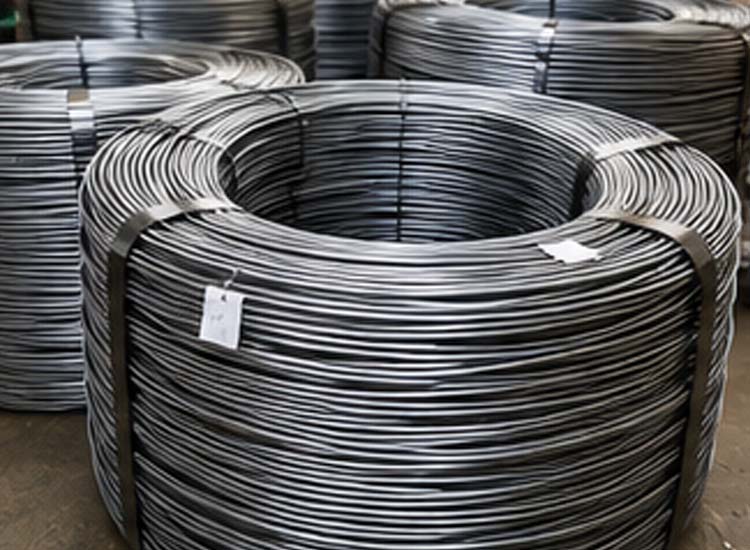
alt="steel wire raw material used for wire nail manufacturing and automatic nail production"


Step 2: Wire Drawing Process

The wire drawing machine reduces the diameter of steel wire to the required size.

Advantages of Wire Drawing

  • Precise wire diameter control
  • Smooth wire surface
  • Stable feeding performance
  • Reduced material defects

After wire drawing, the steel wire is wound into coils and prepared for nail production.


Step 3: Automatic Wire Feeding

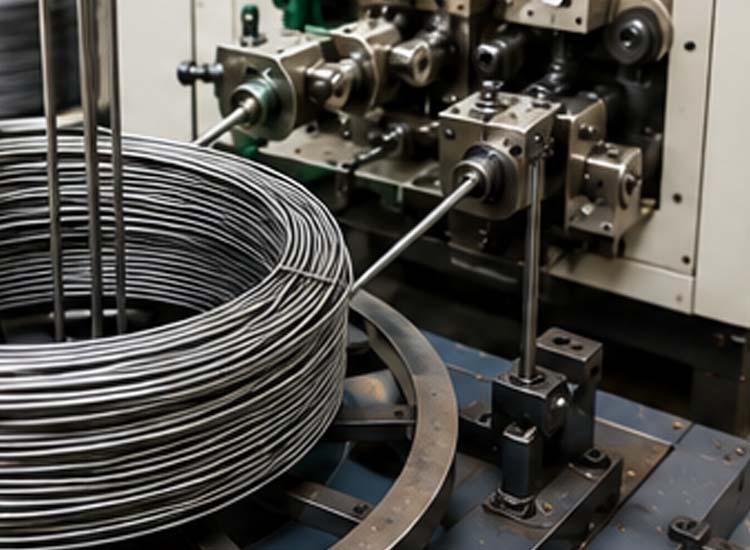
The steel wire coils are installed on a wire pay-off stand.

The feeding system ensures:

  • Continuous wire supply
  • Stable wire tension
  • Smooth feeding process
  • Reduced wire twisting

Automatic feeding significantly improves production efficiency and reduces labor requirements.
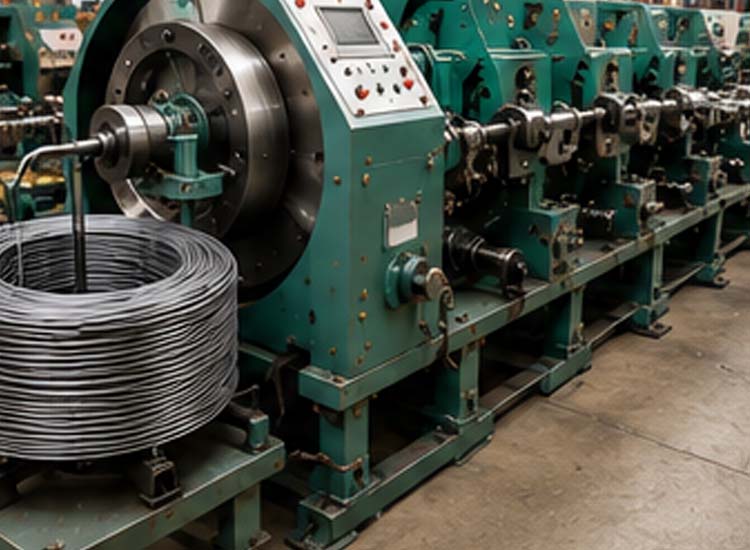
alt="wire drawing machine reducing steel wire diameter for wire nail manufacturing process"


Step 4: Nail Cutting Process

After feeding, the wire enters the nail making machine.

The machine automatically:

  • Measures nail length
  • Cuts steel wire precisely
  • Maintains consistent dimensions
  • Supports different nail sizes

Accurate cutting is essential for producing uniform and high-quality nails.


Step 5: Nail Head Forming

The next stage is nail head forming.

This process creates:

  • Uniform nail heads
  • Smooth nail surfaces
  • Strong nail structures

Modern nail making machines use precision forming mechanisms to ensure:
  • Excellent appearance
  • Consistent dimensions
  • Reliable fastening performance
  • alt="automatic wire feeding system providing continuous steel wire supply for nail making machine"

Step 6: Nail Point Forming

The machine automatically shapes the nail point.

A high-quality nail point provides:

  • Better penetration
  • Easier installation
  • Improved fastening strength

The sharpness and shape of the nail point are important factors affecting product quality.


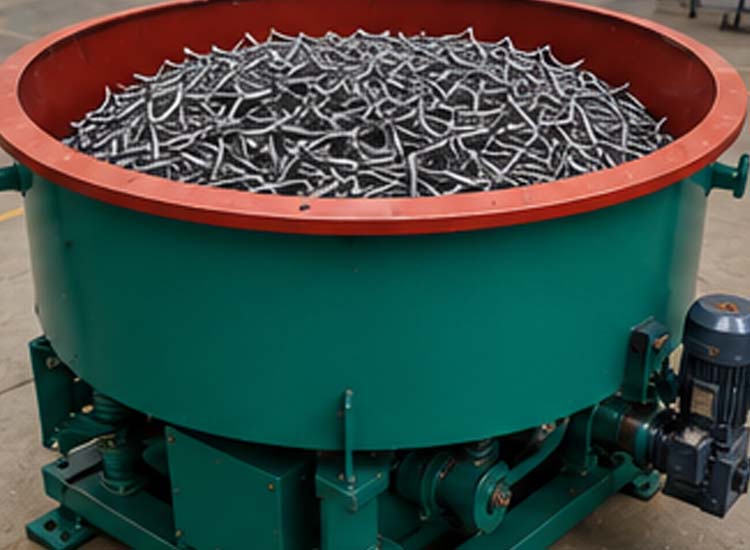
Step 7: Nail Polishing

After production, nails are transferred to a nail polishing machine.

Benefits of Nail Polishing

  • Remove surface oil and residues
  • Improve surface brightness
  • Enhance appearance
  • Increase product value

Polished nails are widely preferred in international markets because of their clean and attractive appearance.
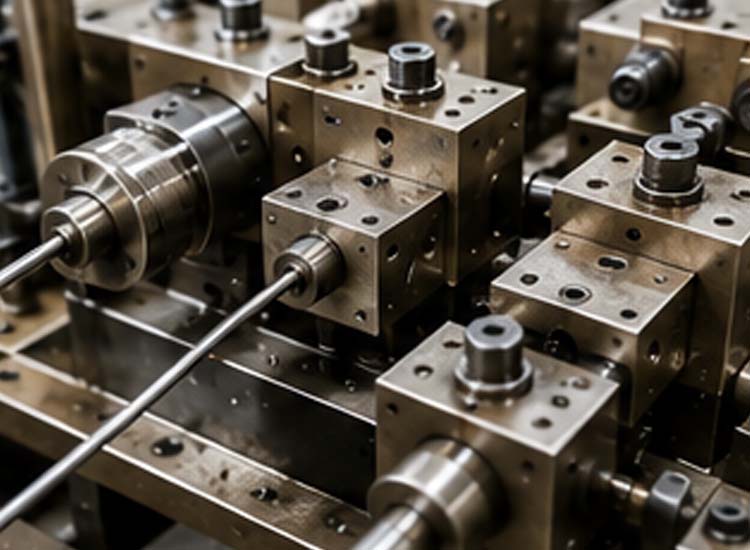
alt="high precision nail cutting process in automatic wire nail manufacturing machine"


Step 8: Finished Nail Inspection

Before packaging, manufacturers inspect:

Nail Length

Ensure consistent dimensions.

Nail Diameter

Verify production accuracy.

Nail Head Quality

Check for smooth and uniform nail heads.

Nail Surface

Ensure clean surfaces without defects.

Strict quality control helps maintain customer satisfaction.
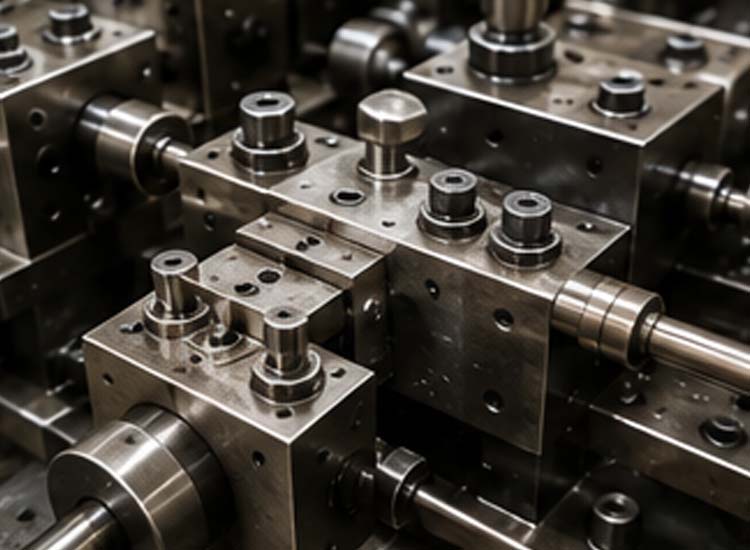
alt="high precision nail cutting process in automatic wire nail manufacturing machine"


Step 9: Nail Packaging

Finished nails are packed according to customer requirements.

Common packaging methods include:

  • Small boxes
  • Plastic bags
  • Cartons
  • Bulk packaging

Proper packaging protects nails during transportation and storage.


Types of Nails Produced

Modern automatic nail making machines can manufacture:

Common Wire Nails

Used in construction and woodworking.

Concrete Nails

Designed for concrete and masonry applications.

Roofing Nails

Used for roof installation and waterproof materials.

Pallet Nails

Suitable for wooden pallets and packaging.

Finishing Nails

Used in furniture manufacturing and decoration.
alt="precision nail head forming process producing uniform nail heads with strong fastening performance"


Advantages of Automatic Wire Nail Manufacturing

Compared with traditional production methods, automatic systems offer:

High Production Efficiency

Continuous operation improves output.

Lower Labor Costs

Automation reduces manual operation.

Better Product Quality

Precision manufacturing ensures consistency.

Reduced Material Waste

Accurate feeding improves material utilization.

Stable Production

Automatic systems ensure reliable long-term operation.
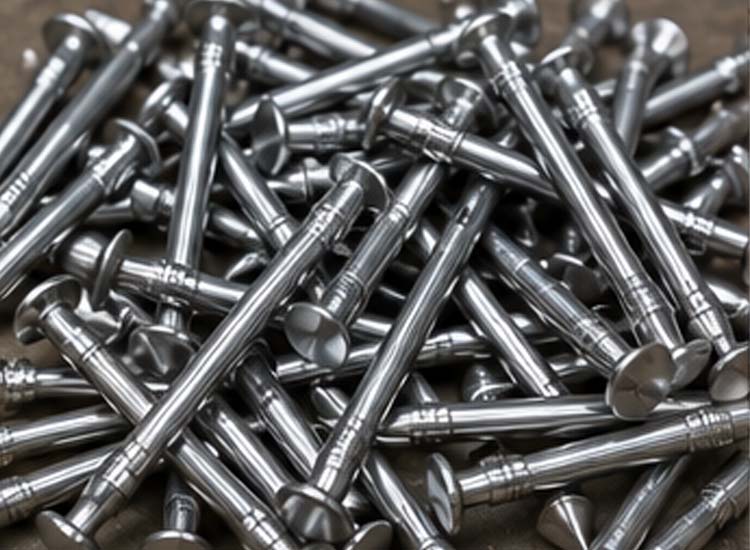
alt="finished wire nails with smooth surface uniform dimensions and strong construction quality"


Applications of Wire Nails

Wire nails are widely used in:

  • Residential construction
  • Commercial buildings
  • Furniture manufacturing
  • Wooden pallets
  • Packaging industry
  • Industrial production

The broad application range creates stable demand worldwide.


Frequently Asked Questions

What is the raw material for wire nails?

Steel wire is the primary raw material.

Why is wire drawing necessary?

Wire drawing ensures accurate diameter and improves wire quality.

Is nail polishing important?

Yes. Polishing improves appearance and market competitiveness.

Can automatic machines produce different nail sizes?

Yes. Modern machines support various nail lengths and diameters.

Is automatic nail manufacturing more efficient?

Yes. Automatic production improves efficiency and reduces labor costs.
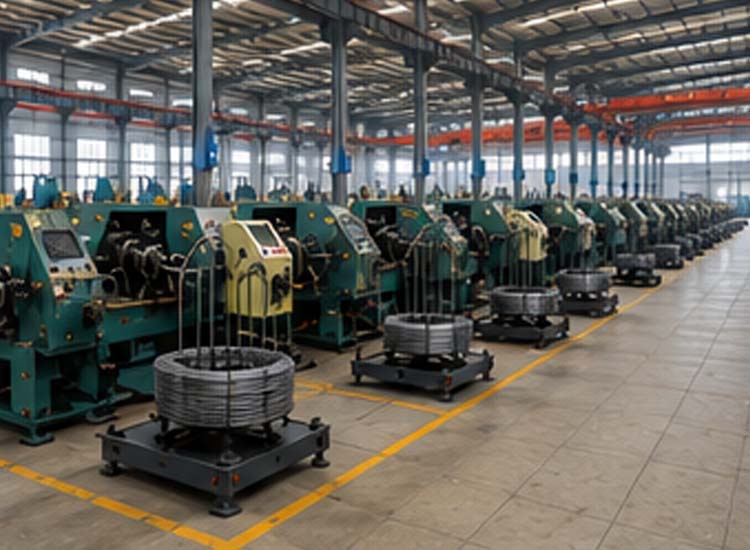
alt="complete automatic wire nail production line including wire drawing nail making and polishing machines"