Low carbon steel wire is the most common raw material for nail manufacturing.
Low carbon steel nails are widely used for:
Most automatic nail making machines are designed to process this material efficiently.
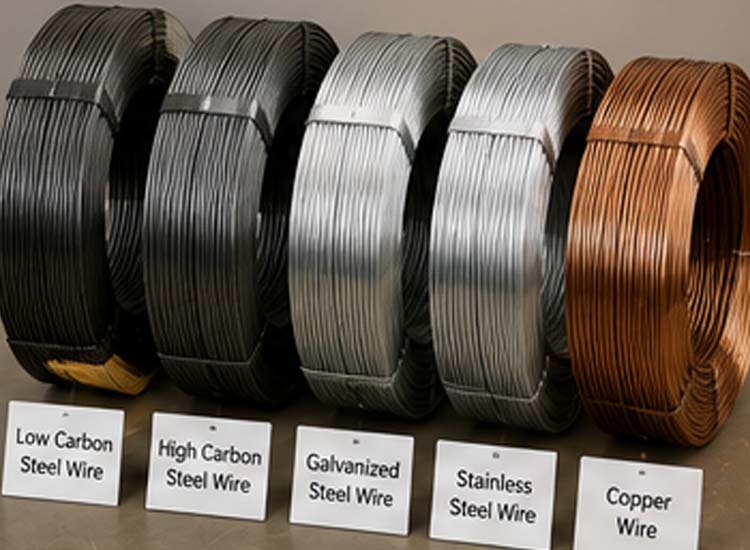
High carbon steel wire contains a higher percentage of carbon.
Commonly used for:
These nails are designed for harder materials and heavy-duty applications.
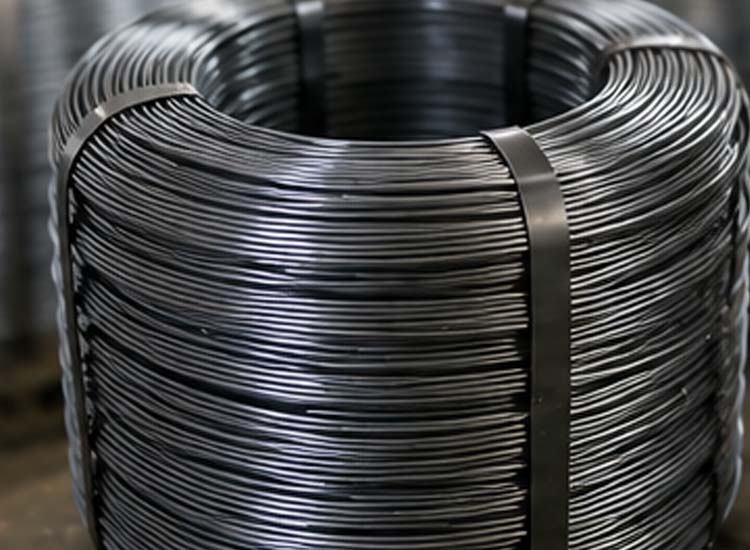
Galvanized steel wire is coated with zinc to improve corrosion resistance.
Suitable for:
Galvanized nails are widely exported because of their durability.
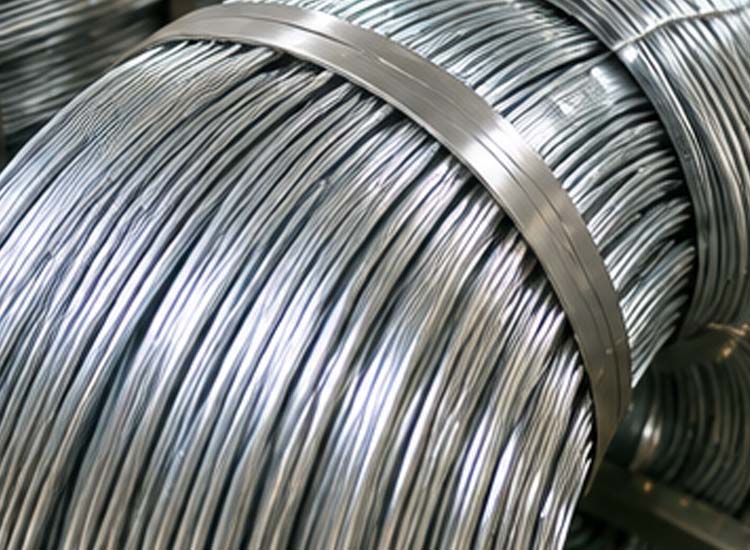
Stainless steel is another important material used in nail manufacturing.
Commonly used in:
Stainless steel nails are popular in environments with high humidity.
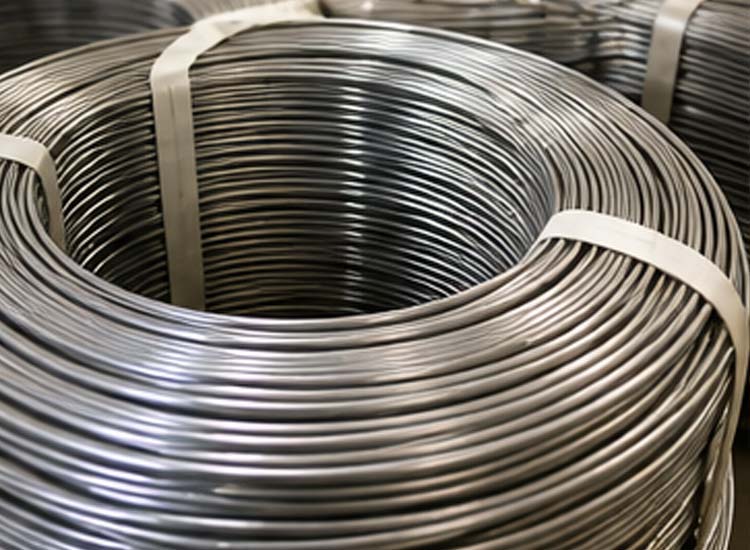
Copper nails are used for specialized applications.
Used for:
Copper nails are less common but remain important in certain industries.
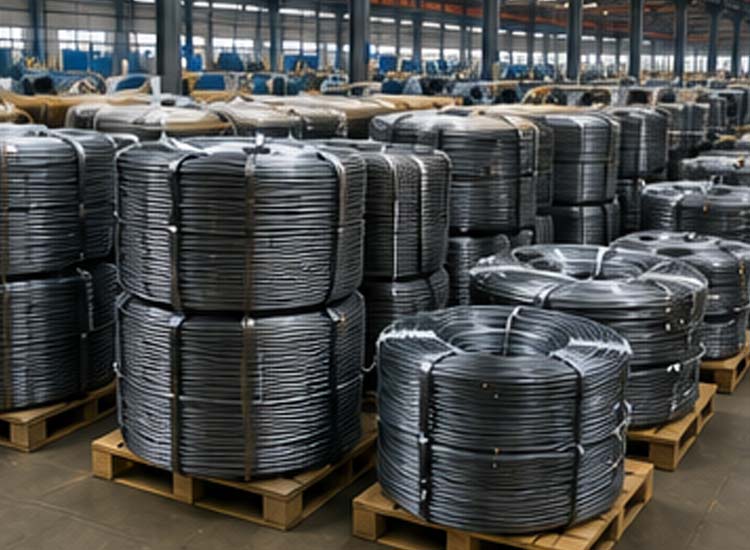
Raw material quality influences:
High-quality steel produces stronger nails.
Clean steel wire creates smoother nail surfaces.
Uniform wire diameter improves machine performance.
Special coatings improve durability in harsh environments.
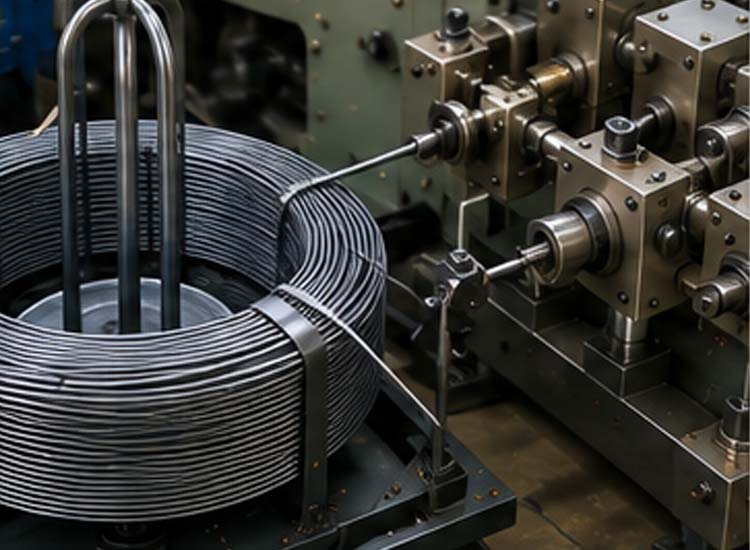
Modern nail making machines automatically perform:
The steel wire is continuously fed into the machine.
The wire is cut into the required length.
Uniform nail heads are created automatically.
Sharp nail points improve fastening performance.
Finished nails are collected for polishing and packaging.
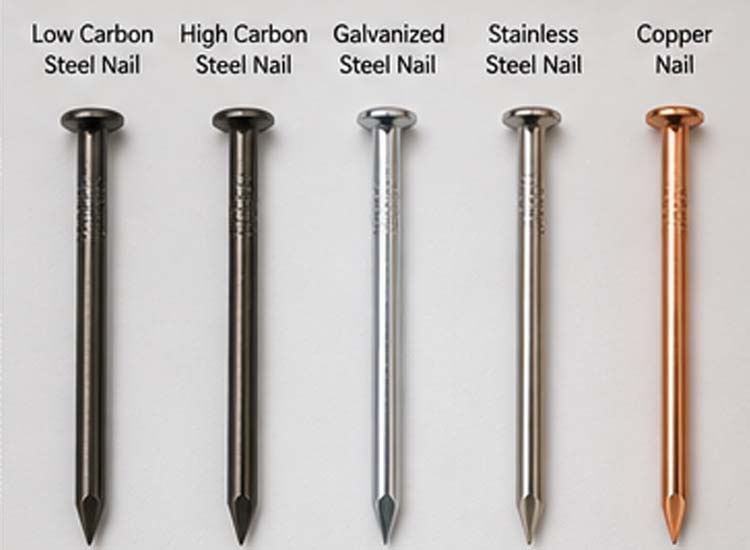
Manufacturers should consider:
Recommended:
Recommended:
Recommended:
Recommended:
Selecting the right material improves nail quality and customer satisfaction.
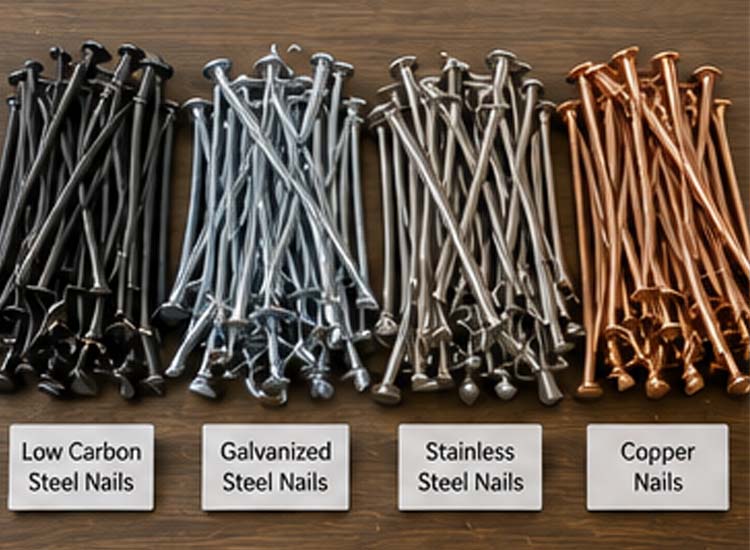
Wire nails are widely used in:
Low carbon steel wire is the most widely used material.
Yes. The zinc coating provides excellent corrosion resistance.
Yes. Modern machines support multiple wire materials and nail specifications.
Galvanized steel and stainless steel are excellent choices.
Yes. Uniform, high-quality wire improves machine stability and productivity.