Steel wire serves as the foundation of every wire nail.
Using high-quality wire provides several advantages:
Poor-quality wire may cause machine stoppages, bent nails, or excessive maintenance.
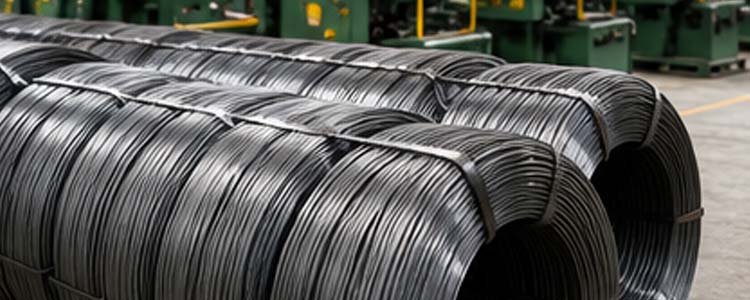
Low carbon steel wire is the most widely used material for common wire nails.
Advantages include:
It is suitable for construction, pallets, furniture, and general woodworking.
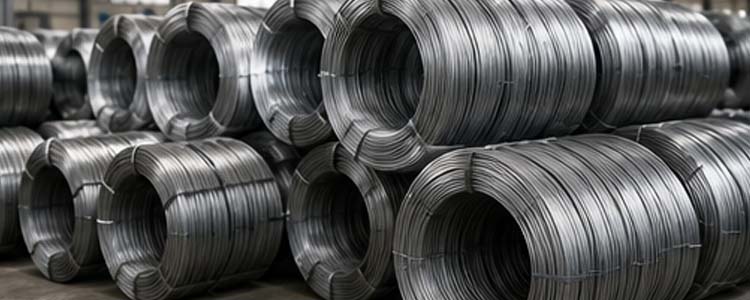
Medium carbon steel wire offers greater strength than low carbon steel.
It is commonly used for:
This material provides higher hardness but requires more precise manufacturing control.
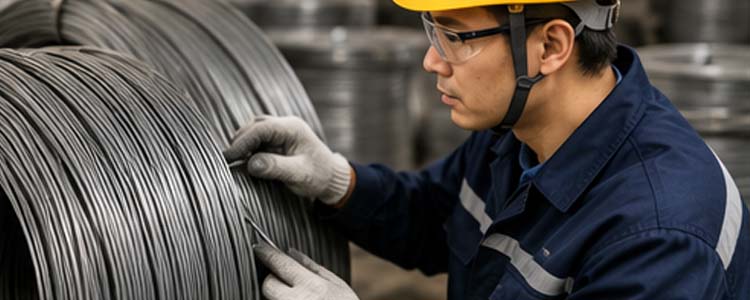
High carbon steel wire is selected when exceptional hardness and wear resistance are required.
Typical applications include:
Because it is less ductile, machine settings must be carefully adjusted during production.
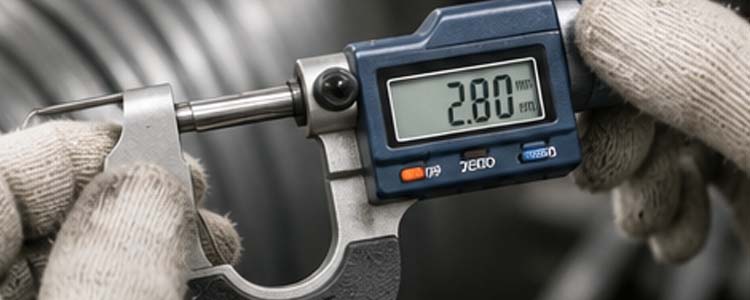
When purchasing steel wire, manufacturers should evaluate:
The diameter must match the required nail specifications.
Consistent diameter improves:
High-quality wire should have:
Clean wire reduces tool wear and improves nail appearance.
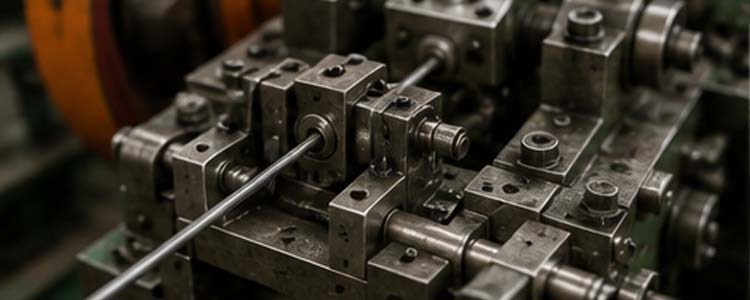
Proper tensile strength ensures stable forming without excessive breakage.
The correct range depends on the type of nail being produced and the production speed.
Steel chemistry influences:
Manufacturers should source wire with consistent chemical properties from reliable suppliers.
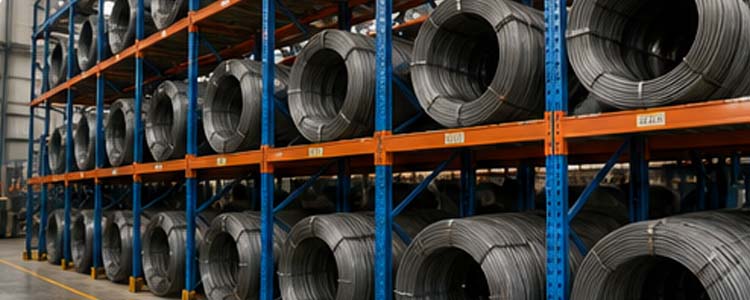
The characteristics of the steel wire directly determine:
Premium raw materials help reduce defects and improve customer satisfaction.
Proper storage helps preserve raw material quality.
Recommended practices include:
Good storage practices reduce corrosion and production interruptions.
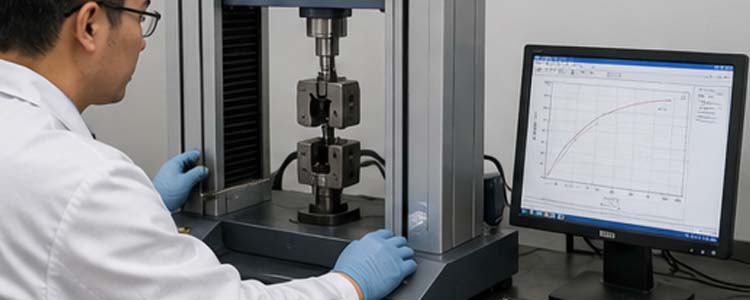
Before steel wire enters production, manufacturers should inspect:
Routine inspection helps maintain stable manufacturing quality.
Avoid these common purchasing errors:
These mistakes often increase production costs and reduce finished nail quality.
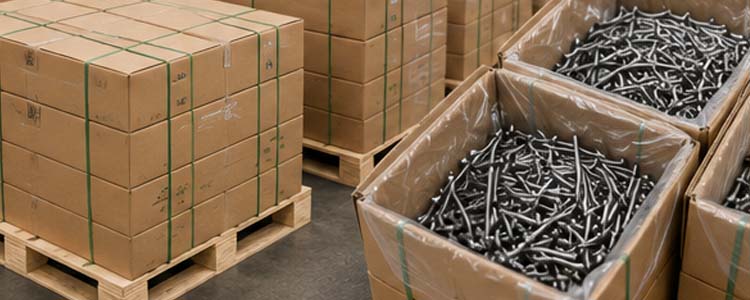
Low carbon steel wire is the preferred choice for most general-purpose wire nails because of its excellent formability and cost efficiency.
Yes. Modern automatic nail making machines can handle different wire grades, provided the machine settings are adjusted correctly.
Yes. Consistent wire diameter helps maintain stable feeding and improves production efficiency.
Rust can damage tooling, reduce product quality, and increase machine maintenance requirements.
Steel wire should be stored in a clean, dry, and well-ventilated warehouse to prevent corrosion and contamination.