Home VIDEO High speed nail making machine Roofing Nails Explained: Types, Materials, Applications, and Buying Guide

High speed nail making machine

Roofing Nails Explained: Types, Materials, Applications, and Buying Guide

What Are Roofing Nails?

Roofing nails are specially designed fasteners used to secure roofing materials to wooden roof decks or structural components.

Their key characteristics include:

  • Large flat heads for increased holding power
  • Sharp points for easier penetration
  • Durable steel construction
  • Corrosion-resistant coatings
  • Reliable performance in outdoor environments

These features help roofing materials remain securely fastened even under harsh weather conditions.
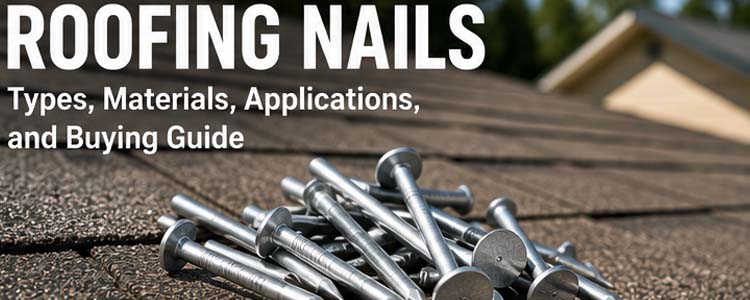
alt="high quality roofing nails placed on asphalt shingles for residential and commercial roofing construction"


Common Types of Roofing Nails

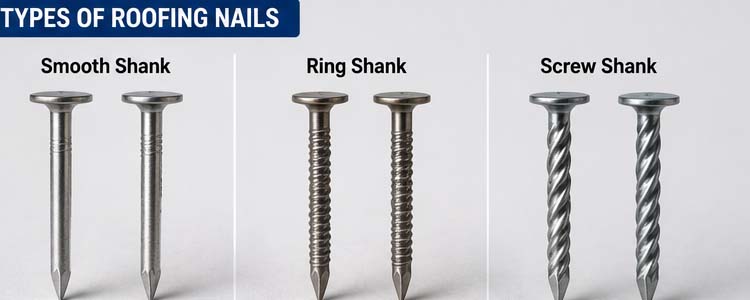
Smooth Shank Roofing Nails

Smooth shank nails are commonly used for standard roofing applications.

Advantages include:

  • Easy installation
  • Cost-effective
  • Suitable for general roofing projects

Ring Shank Roofing Nails

Ring shank roofing nails provide enhanced withdrawal resistance.

Benefits include:

  • Stronger holding power
  • Better wind resistance
  • Longer service life

They are recommended for areas exposed to strong winds or heavy rainfall.


Screw Shank Roofing Nails

Screw shank roofing nails feature a twisted body that increases grip in wood.

Typical applications include:
  • Hardwood roof decking
  • Heavy roofing systems
  • Industrial buildings
  • alt="comparison of smooth shank ring shank and screw shank roofing nails for different roof fastening applications"

Roofing Nail Materials

Manufacturers typically use the following materials:
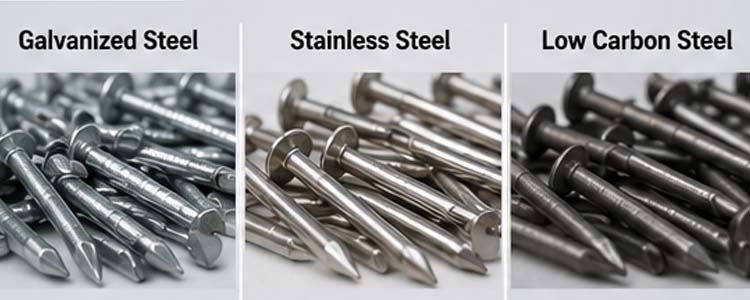
Low Carbon Steel

  • Economical
  • Good formability
  • Suitable for standard roofing applications

Stainless Steel

  • Excellent corrosion resistance
  • Ideal for coastal regions
  • Long service life

Galvanized Steel

  • Zinc-coated surface
  • Strong resistance to rust
  • Suitable for outdoor construction
  • alt="galvanized steel stainless steel and low carbon steel roofing nails used for durable roof installation"

Standard Roofing Nail Sizes

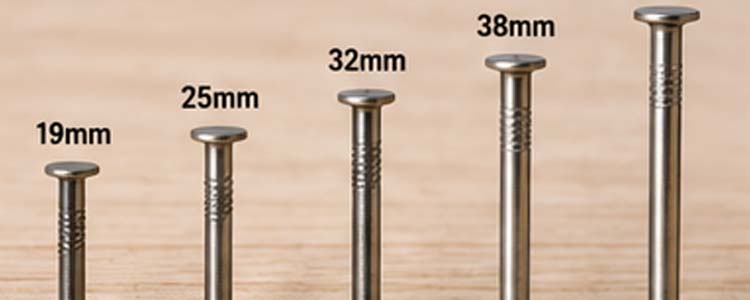
The appropriate size depends on roofing materials and local building codes.

Nail Length Typical Application
19 mm Roofing felt
25 mm Asphalt shingles
32 mm Roof underlayment
38 mm Wooden roof decking
50 mm Heavy roofing materials

Custom sizes are also available for specialized projects.
alt="standard roofing nail sizes from 19 mm to 50 mm for asphalt shingles roof decking and insulation boards"


How Roofing Nails Are Manufactured

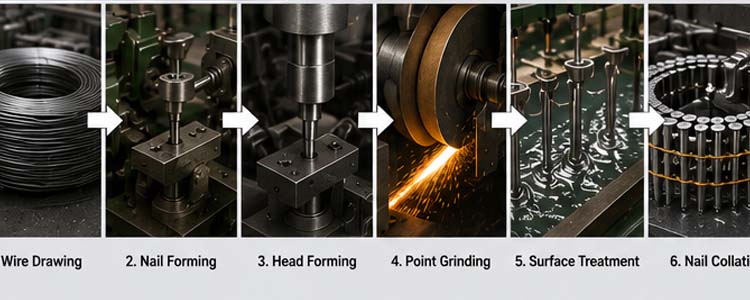
Modern production generally includes:

  1. Steel wire preparation
  2. Wire drawing
  3. Nail forming
  4. Head forming
  5. Point grinding
  6. Galvanizing or stainless finishing
  7. Quality inspection
  8. Packaging

Advanced automatic nail making machines ensure precise dimensions, uniform nail heads, and consistent production quality.
alt="standard roofing nail sizes from 19 mm to 50 mm for asphalt shingles roof decking and insulation boards"


Quality Inspection

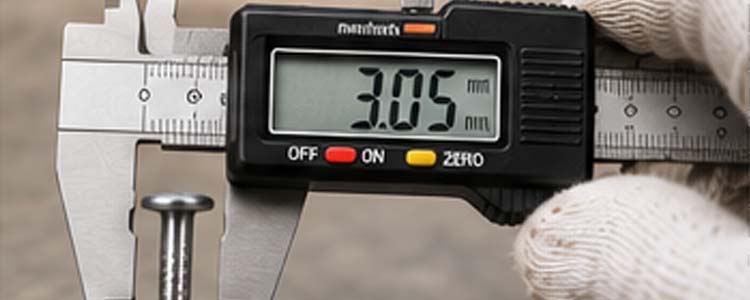
Reliable roofing nails undergo strict inspection, including:

  • Nail length
  • Diameter
  • Head size
  • Shank straightness
  • Point sharpness
  • Coating thickness
  • Corrosion resistance
  • Packaging quality

Comprehensive quality control helps ensure dependable performance on construction sites.
alt="automatic roofing nail manufacturing process including wire drawing nail forming head forming point grinding and galvanized surface treatment"


Applications of Roofing Nails

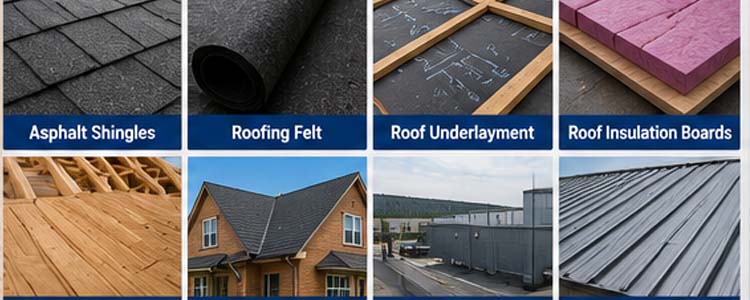
Roofing nails are commonly used for:

  • Asphalt shingles
  • Roofing felt
  • Waterproof membranes
  • Roof insulation boards
  • Wooden roof decking
  • Residential roofing
  • Commercial roofing
  • Industrial roofing systems
  • alt="digital caliper inspecting roofing nail dimensions coating thickness and head size during factory quality control"

How to Choose the Right Roofing Nails

Before purchasing, consider:

  • Roofing material type
  • Climate conditions
  • Corrosion resistance requirements
  • Nail length
  • Shank design
  • Local construction standards

The right roofing nail improves roof durability and reduces long-term maintenance costs.
alt="packaged roofing nails prepared for warehouse storage international shipping and global construction material distribution"


Frequently Asked Questions

Why do roofing nails have large heads?

The larger head distributes pressure over a wider area, helping prevent roofing materials from tearing or pulling through.

Are galvanized roofing nails better than ordinary nails?

Yes. Galvanized roofing nails provide superior corrosion resistance and are recommended for outdoor use.

Can roofing nails be used with pneumatic nail guns?

Yes. Many roofing nails are available in coil or collated formats designed specifically for pneumatic roofing nailers.

Which material is best for coastal areas?

Stainless steel roofing nails are generally the preferred choice because they offer excellent resistance to saltwater corrosion.

Can automatic nail making machines produce roofing nails?

Yes. Modern nail production equipment can manufacture roofing nails with various head sizes, shank designs, and coatings.