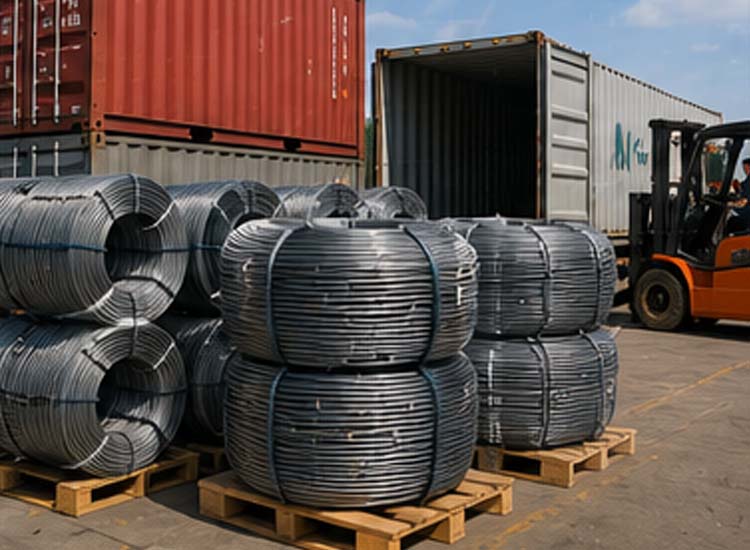
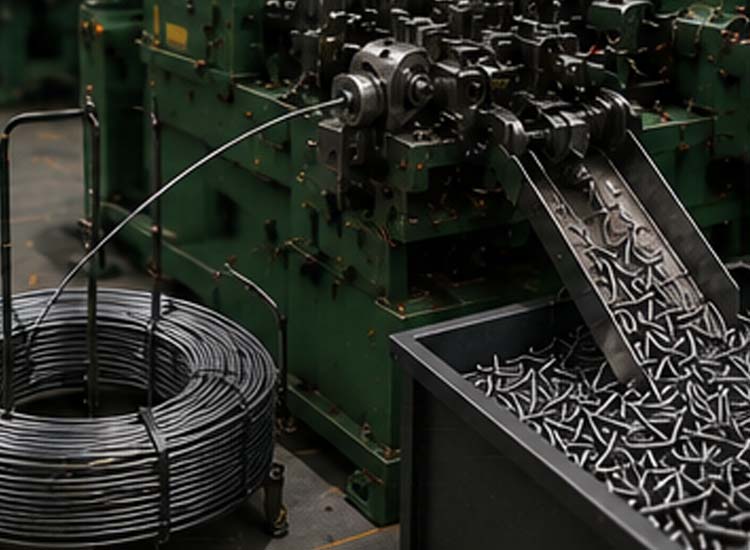
The performance of a nail making machine depends heavily on the steel wire it processes.
High-quality wire helps manufacturers achieve:
Poor-quality wire often results in machine stoppages, bent nails, inconsistent lengths, and increased maintenance costs.
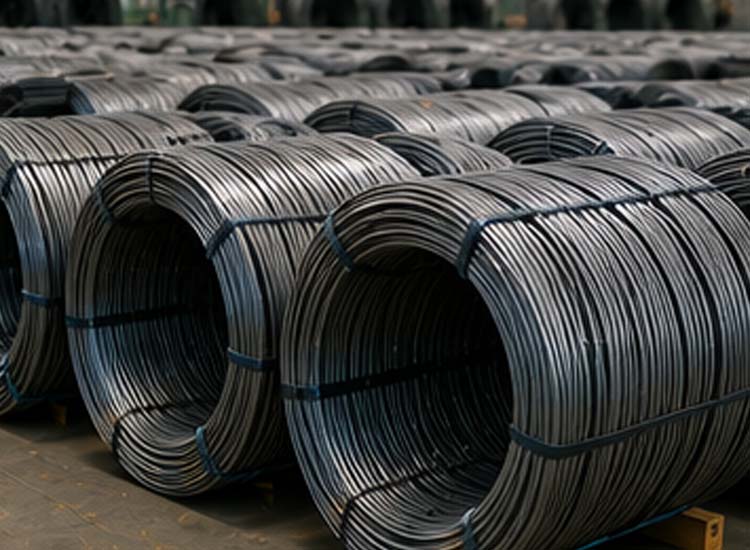
Different nail products require different grades of steel wire.
Low carbon steel wire is commonly used for:
Advantages include:
High carbon steel wire is generally used for:
Advantages include:
Because high carbon wire is harder, machines may require different settings and more frequent inspection of cutting tools.
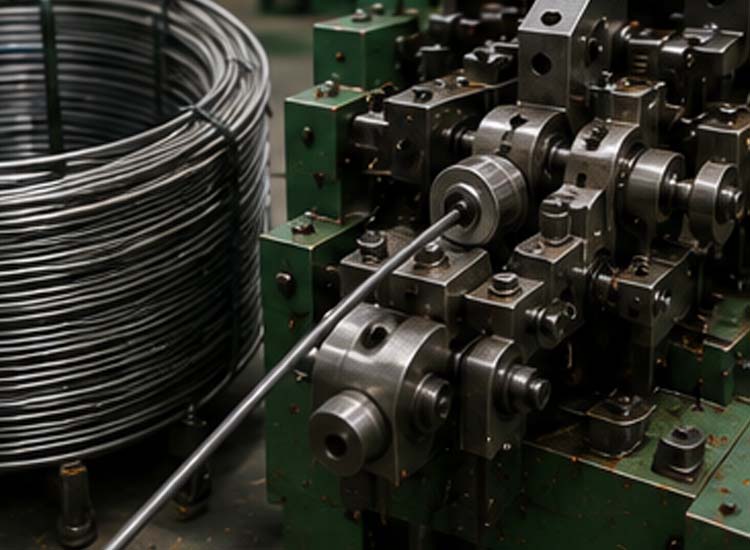
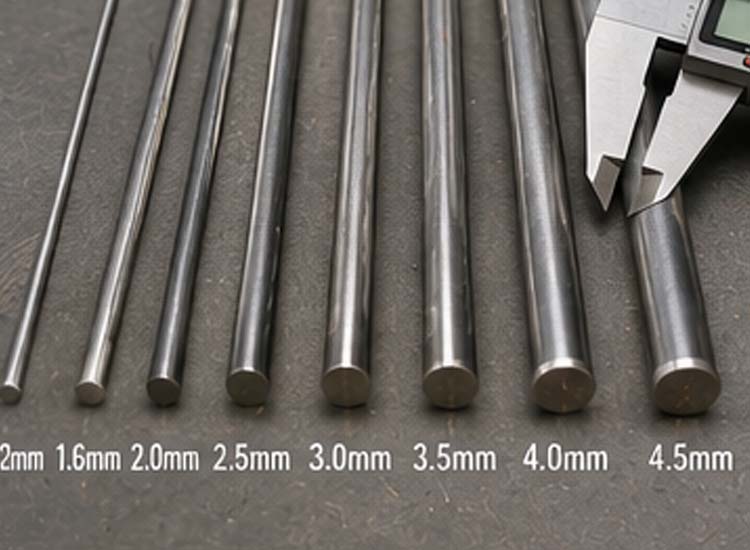
Wire diameter determines the finished nail size.
Typical wire diameters include:
| Wire Diameter | Typical Nail Application |
|---|---|
| 1.2–1.6 mm | Small wire nails |
| 1.8–2.5 mm | Furniture and woodworking nails |
| 2.5–3.5 mm | Construction nails |
| 3.5–4.5 mm | Heavy-duty nails |
Selecting the correct diameter improves production accuracy and minimizes material waste.
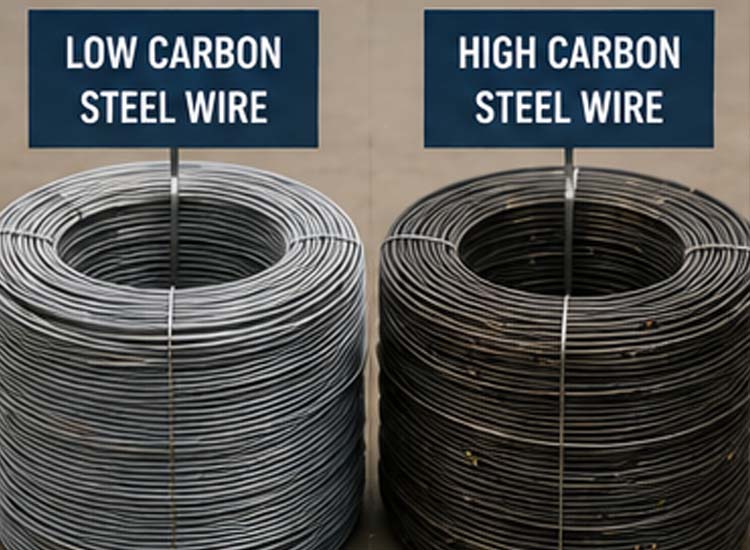
Good steel wire should have:
Clean wire ensures smooth feeding through automatic nail making machines.
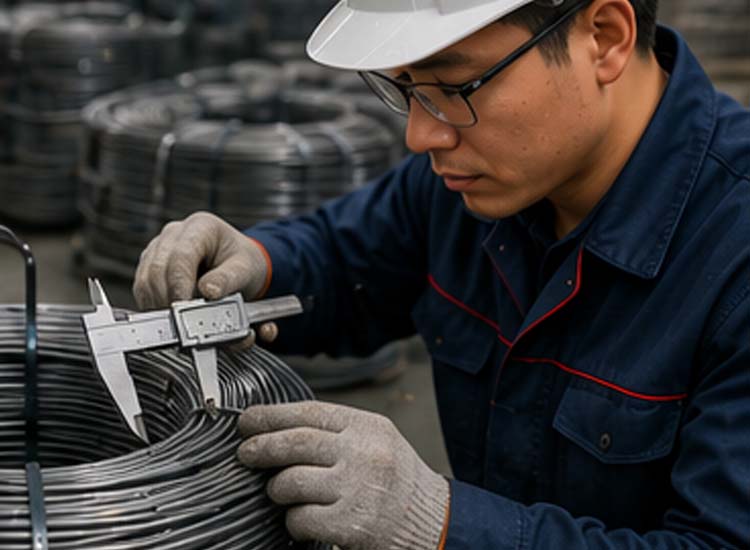
Steel wire should have consistent tensile strength.
Benefits include:
Excessively hard or soft wire may negatively affect production quality.
Quality wire reduces:
Manufacturers often experience higher productivity simply by switching to better raw materials.
Using low-quality wire can lead to:
Caused by inconsistent wire hardness or diameter.
Usually caused by poor tensile strength or material defects.
Often related to rust, surface damage, or uneven wire diameter.
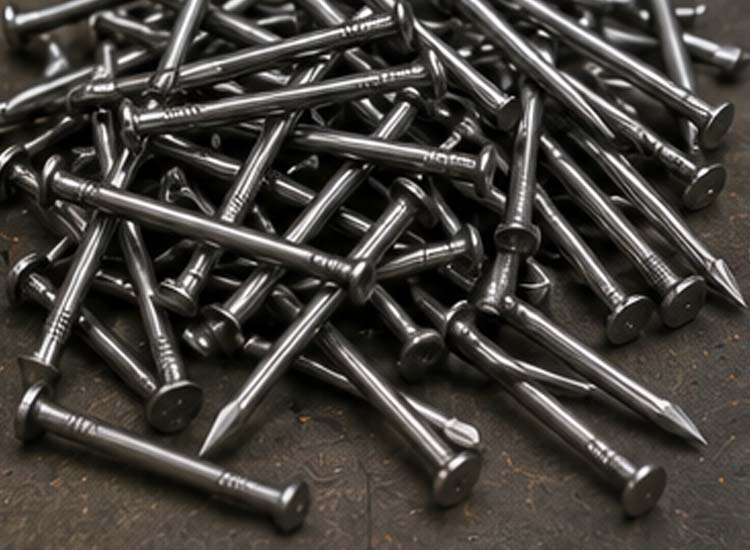
Impurities on the wire may reduce the appearance and quality of finished nails.
When selecting suppliers, consider:
Long-term partnerships with reliable suppliers help maintain consistent product quality.
Steel wire should be stored in:
Proper storage prevents corrosion and maintains material quality before production.
Yes. Most automatic nail making machines support multiple wire sizes within their specified production range.
Yes. High-quality steel wire feeds more smoothly, allowing stable high-speed production.
Yes. Galvanized wire is commonly used when corrosion-resistant nails are required.
Wire diameter determines nail size, strength, and the machine settings required during production.
Look for uniform diameter, smooth surfaces, proper tensile strength, and certification from reputable suppliers.