A nail making machine is industrial equipment designed to manufacture nails from steel wire automatically. The machine performs multiple operations, including wire feeding, cutting, head forming, and point shaping.
Modern high-speed models can produce hundreds of nails per minute, significantly increasing production efficiency compared to traditional manufacturing methods.
Common nail products include:
Production speed is one of the biggest factors affecting equipment costs.
Machines with higher output generally require:
A machine capable of producing 800 nails per minute typically costs more than a model producing 300 nails per minute.
Manufacturers should choose equipment based on their target production volume and market demand.
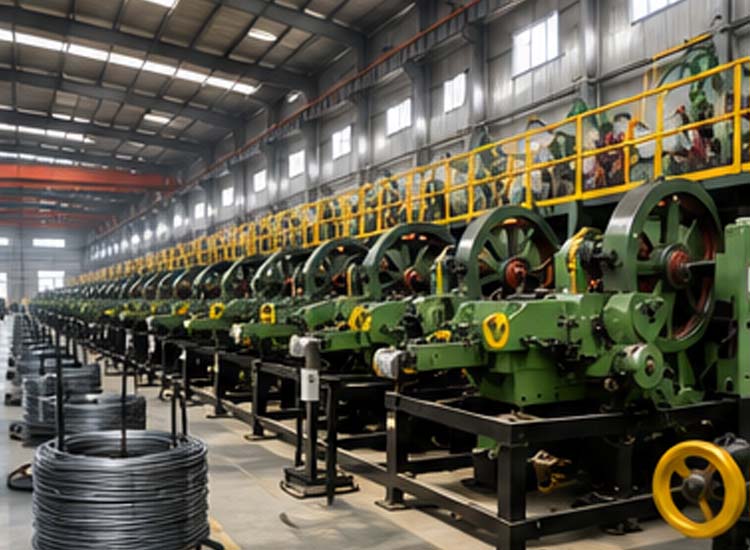
Different machines support different nail lengths and diameters.
Equipment designed to manufacture multiple nail specifications often includes:
These additional features can increase overall machine value.
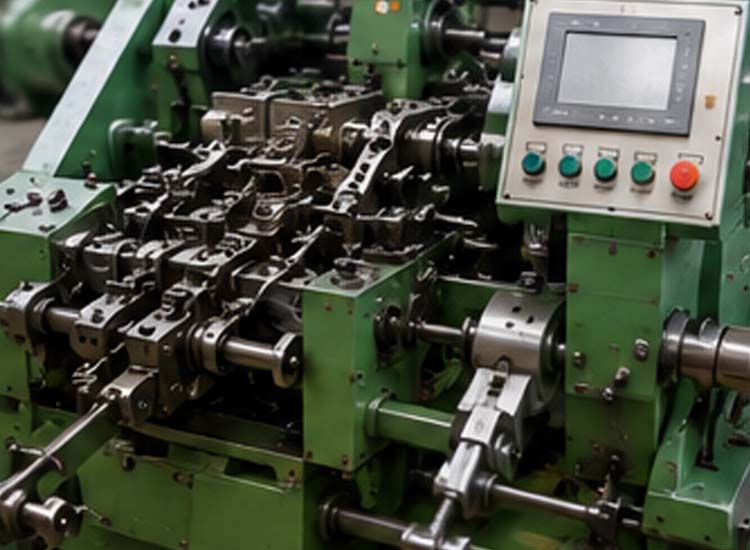
Fully automatic nail production systems usually include:
Higher automation reduces labor costs but may increase initial investment.
For large-scale manufacturers, automation often delivers greater long-term profitability.
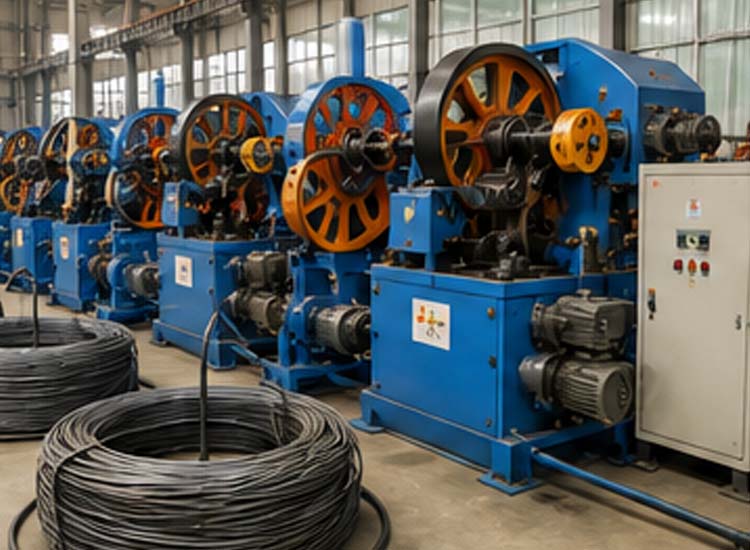
Industrial-grade machines are built for continuous operation.
Quality factors include:
Investing in high-quality equipment can reduce maintenance costs and improve production stability.
When evaluating total project investment, buyers should consider more than just the nail making machine itself.
A complete nail production line may include:
Used to reduce steel wire diameter before nail production.
Benefits include:
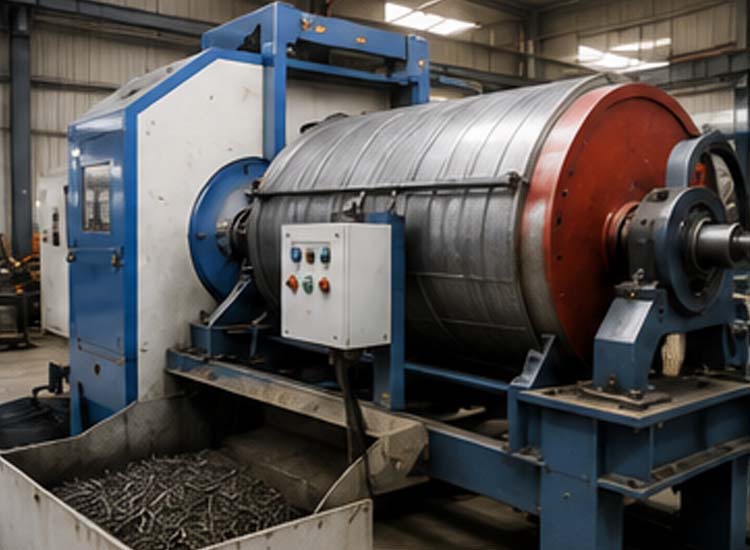
Used to improve nail appearance and remove manufacturing residues.
Polished nails often achieve higher market acceptance.
Many production lines require compressed air for stable operation.
Automated packaging systems can improve efficiency and reduce labor requirements.
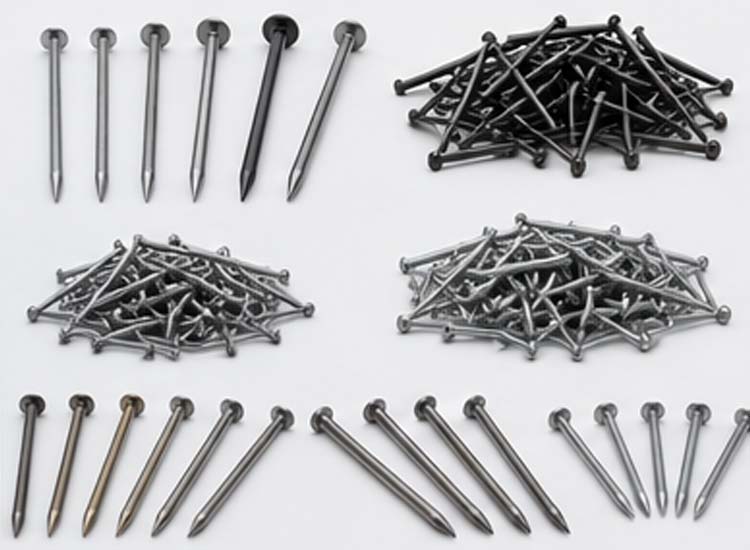
Many buyers focus only on the purchase price.
However, the lowest-priced machine is not always the most economical option.
Potential hidden costs include:
Reliable equipment often provides better long-term value through consistent operation and higher output.
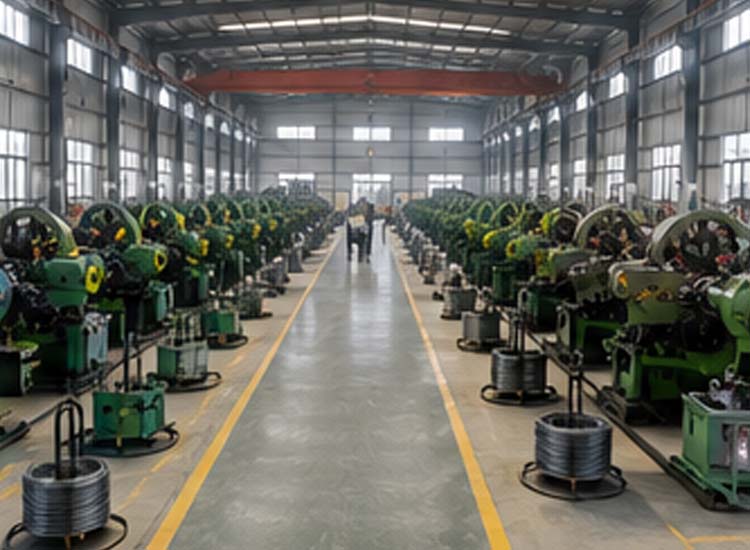
When selecting a supplier, buyers should evaluate:
Experienced manufacturers often provide:
Easy access to spare parts helps reduce downtime.
Professional installation and operator training can improve production efficiency.
Reliable technical support is important for maintaining long-term production performance.
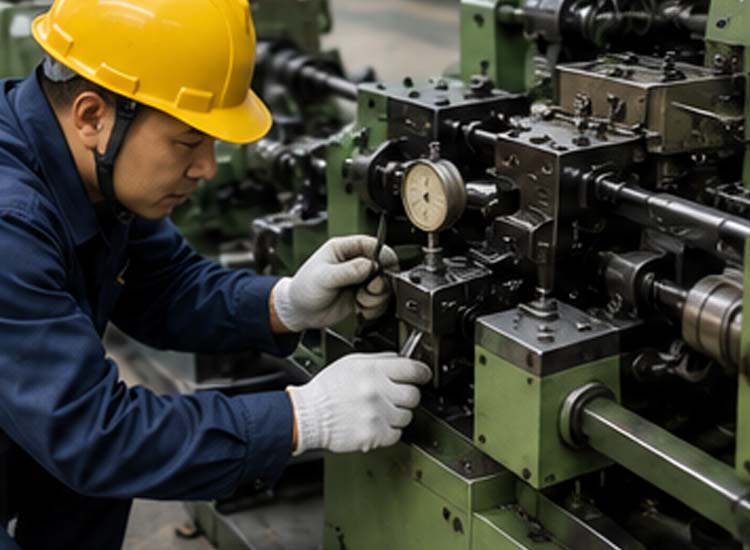
Advanced machines can significantly increase daily output.
Automation reduces dependence on manual labor.
Precision manufacturing technology ensures uniform nail dimensions.
Higher efficiency helps manufacturers recover equipment investments more quickly.
Modern equipment provides flexibility for increasing production capacity as demand grows.
Always consider quality, support, and long-term operating costs.
Equipment should match target production goals.
Regular maintenance is essential for long equipment lifespan.
A reliable supplier often contributes to project success.

Nail making machines are widely used by:
Growing global demand continues to create opportunities for nail manufacturers worldwide.
Production capacity, automation level, supported nail sizes, and machine quality are the main pricing factors.
For manufacturers with significant production demand, high-speed machines often provide better long-term profitability.
Most modern machines support multiple nail specifications through adjustments and tooling changes.
Wire drawing machines, polishing machines, compressors, and packaging equipment are commonly used.
Evaluate manufacturing experience, machine quality, spare parts availability, and after-sales service.