Home VIDEO High speed nail making machine How Long Does a Nail Making Machine Last? Factors That Affect Machine Lifespan

High speed nail making machine

How Long Does a Nail Making Machine Last? Factors That Affect Machine Lifespan

What Is the Average Lifespan of a Nail Making Machine?

Most modern automatic nail making machines have an expected service life of:

Machine Quality Expected Lifespan
Entry-Level Machines 5–8 Years
Standard Industrial Machines 8–12 Years
Heavy-Duty Automatic Machines 10–20 Years

The actual lifespan depends on operating conditions, maintenance practices, and machine quality.

Many well-maintained machines continue operating efficiently beyond their expected service life.
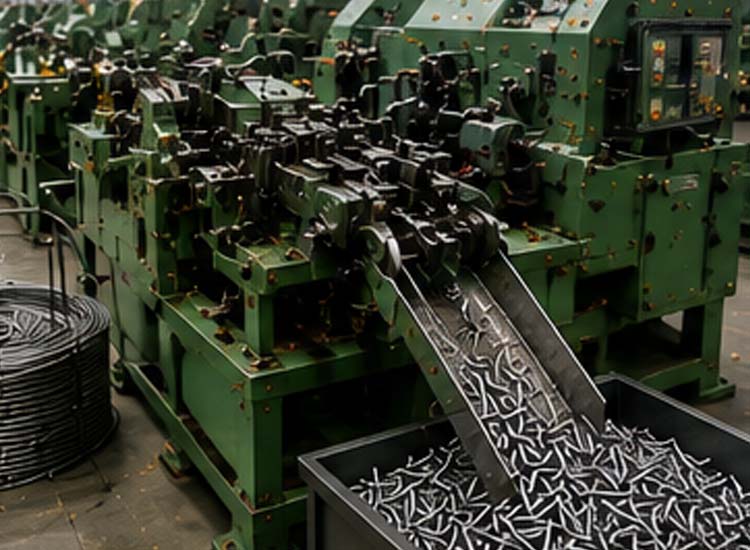
alt="modern automatic nail making machine operating in factory with stable wire nail production and long service life"


Factor 1: Machine Manufacturing Quality

The quality of machine construction plays a major role in durability.

Important Components

  • Machine frame
  • Main shaft
  • Bearings
  • Feeding rollers
  • Forming dies
  • Cutting system

Machines built with high-quality materials generally offer:
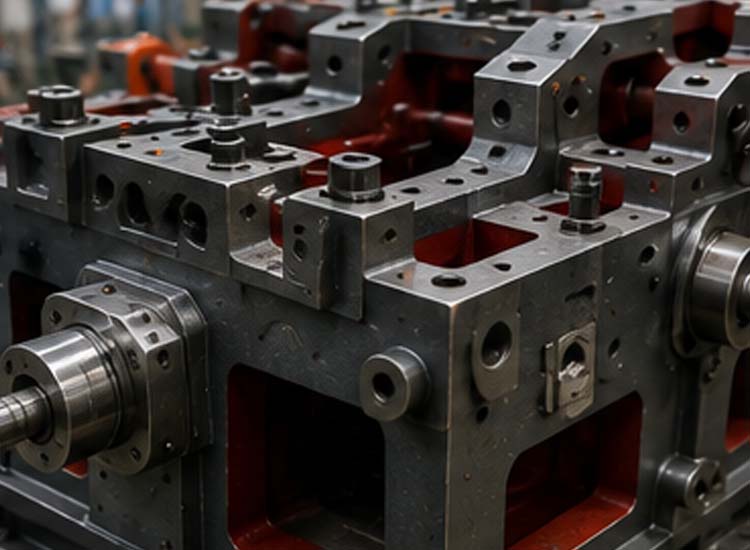
  • Better stability
  • Lower vibration
  • Longer service life
  • Reduced maintenance costs
  • alt="heavy duty nail making machine frame structure designed for durability stability and long term industrial operation"

Factor 2: Daily Operating Hours

The more hours a machine operates, the faster components wear.

Typical Production Scenarios

Light Duty

  • 4–8 hours per day

Medium Duty

  • 8–16 hours per day

Heavy Duty

  • 24-hour production shifts

Machines running continuously require more frequent maintenance and component replacement.
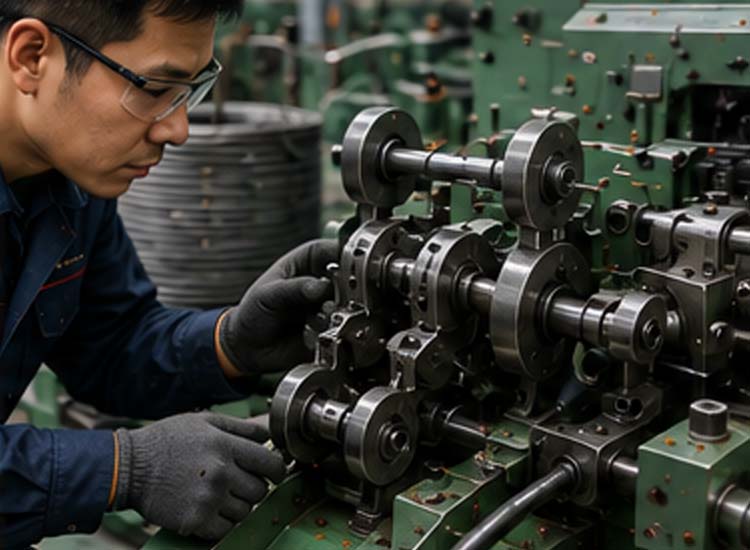
alt="engineer inspecting wire feeding system of automatic nail making machine to improve machine lifespan and performance"


Factor 3: Raw Material Quality

Steel wire quality affects machine wear.

High-Quality Wire

Benefits:

  • Smooth feeding
  • Less friction
  • Reduced component wear

Low-Quality Wire

Problems:

  • Feeding interruptions
  • Excessive vibration
  • Increased stress on moving parts

Consistent raw material quality helps extend machine lifespan.
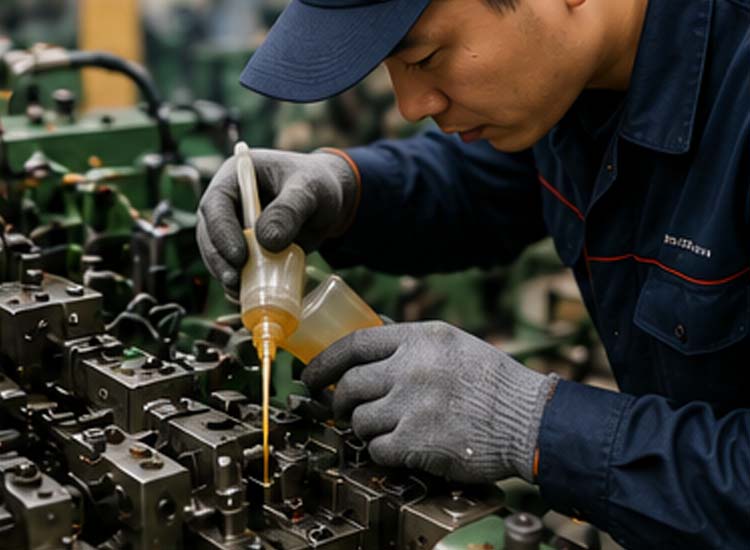
alt="technician lubricating automatic nail making machine as part of preventive maintenance program"


Factor 4: Lubrication and Maintenance

Proper lubrication is one of the most important maintenance practices.

Benefits of Lubrication

  • Reduced friction
  • Lower operating temperatures
  • Less component wear
  • Improved efficiency

Machines that receive regular lubrication often last significantly longer than neglected equipment.


Factor 5: Preventive Maintenance

Preventive maintenance helps identify problems before they cause major failures.

Daily Checks

Inspect:

  • Lubrication points
  • Wire feeding system
  • Machine alignment

Weekly Checks

Inspect:

  • Bearings
  • Cutting blades
  • Fasteners

Monthly Checks

Inspect:

  • Drive systems
  • Electrical components
  • Safety systems

Regular maintenance reduces downtime and extends machine life.
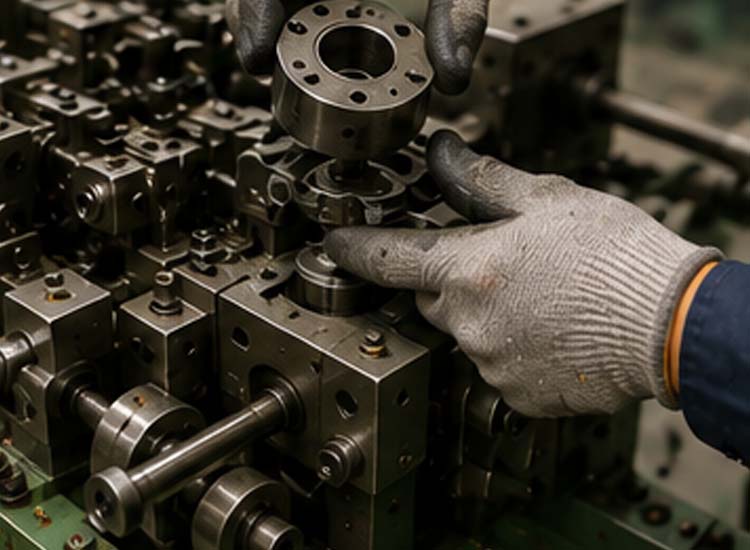
alt="replacement of nail cutting blades and forming dies to maintain production accuracy and equipment longevity"


Factor 6: Replacement of Wear Parts

Certain components naturally wear over time.

Common Wear Parts

  • Cutting blades
  • Forming dies
  • Bearings
  • Springs
  • Feeding rollers

Replacing wear parts on schedule helps prevent damage to more expensive machine components.


Factor 7: Factory Environment

The operating environment affects machine durability.

Ideal Conditions

  • Clean workshop
  • Stable temperature
  • Low humidity
  • Good ventilation

Harmful Conditions

  • Dust accumulation
  • Excess moisture
  • Corrosive environments

Proper factory management protects equipment from premature wear.
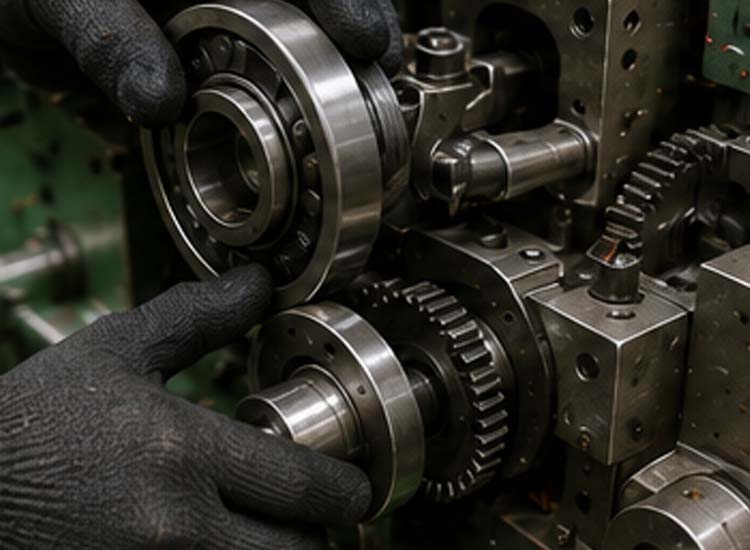
alt="bearing inspection and mechanical maintenance on automatic nail making machine reducing downtime and wear"


Signs a Nail Making Machine Is Aging

Common signs include:

Increased Vibration

May indicate:

  • Bearing wear
  • Shaft problems
  • Frame instability

Lower Production Accuracy

Possible causes:

  • Worn dies
  • Feeding issues
  • Mechanical wear

Frequent Breakdowns

Repeated failures often indicate aging components.


Increased Maintenance Costs

Rising repair expenses may suggest major components require replacement.
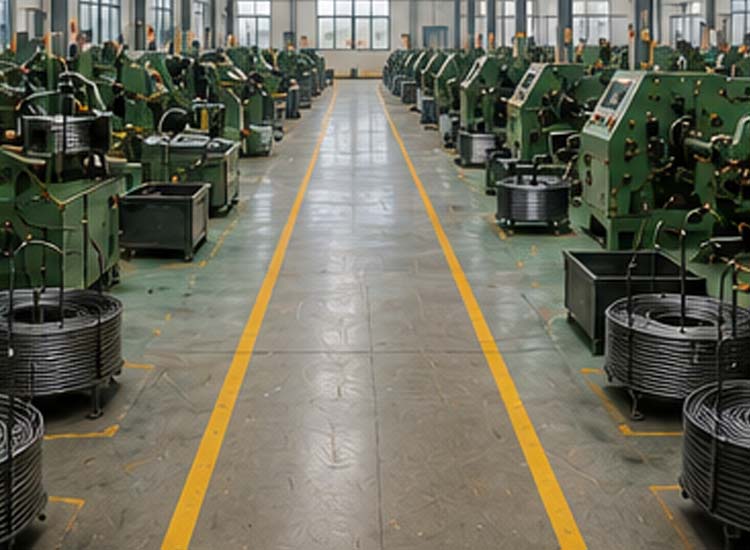
alt="clean and organized nail manufacturing workshop helping extend automatic nail making machine lifespan"


How to Extend the Life of a Nail Making Machine

Manufacturers can maximize machine lifespan by:

Using High-Quality Raw Materials

Reduces wear and improves stability.

Following Maintenance Schedules

Prevents major failures.

Replacing Worn Parts Early

Avoids damage to critical components.

Training Operators Properly

Correct operation reduces unnecessary stress on equipment.

Maintaining a Clean Workshop

Protects moving parts from contamination.


Economic Benefits of Longer Machine Lifespan

Long-lasting equipment provides:

  • Lower ownership costs
  • Better return on investment
  • Reduced downtime
  • Higher productivity
  • Improved profitability

A reliable machine becomes a valuable long-term asset for manufacturers.
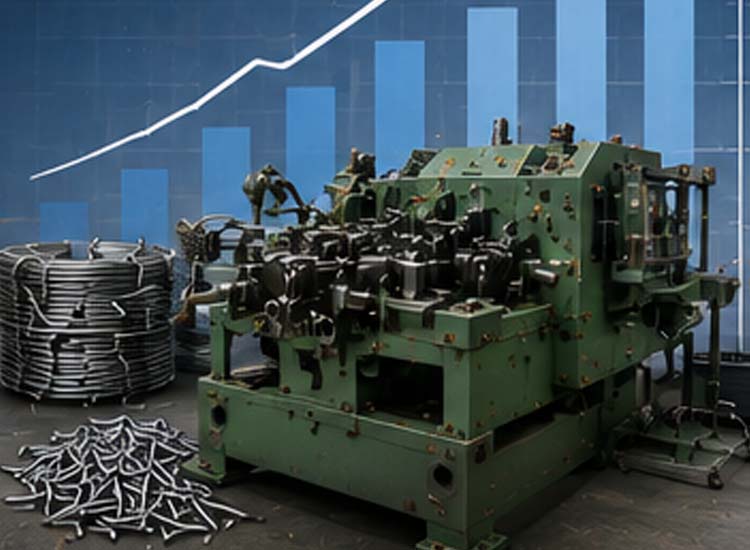
alt="long term nail making machine performance and return on investment supported by proper maintenance and quality components"


Frequently Asked Questions

Can a nail making machine last more than 10 years?

Yes. Many industrial-grade machines operate for 10–20 years with proper maintenance.

What causes premature machine failure?

Poor maintenance, low-quality materials, improper operation, and harsh factory environments.

Which parts wear out fastest?

Cutting blades, dies, bearings, and feeding components typically experience the highest wear.

Is preventive maintenance worth the cost?

Absolutely. Preventive maintenance is far less expensive than major repairs or production downtime.

How often should wear parts be replaced?


Replacement schedules depend on production volume and operating conditions.