How Long Does a Nail Making Machine Last? Maintenance Tips for Longer Service Life
Average Lifespan of a Nail Making Machine
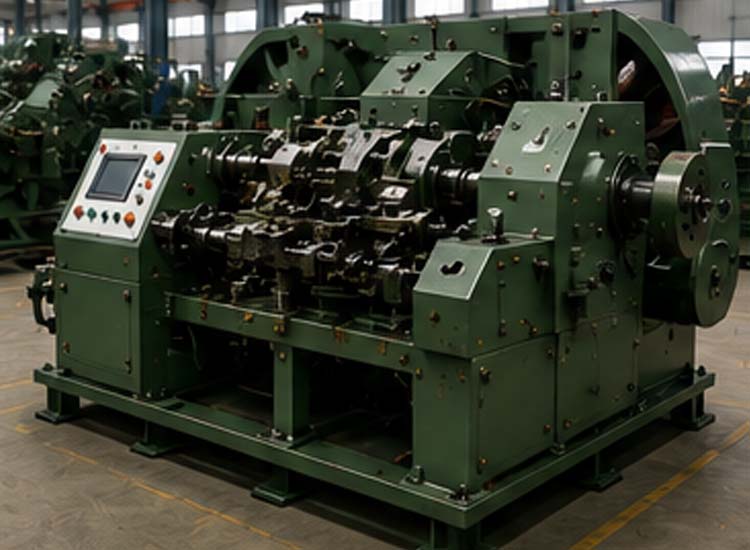
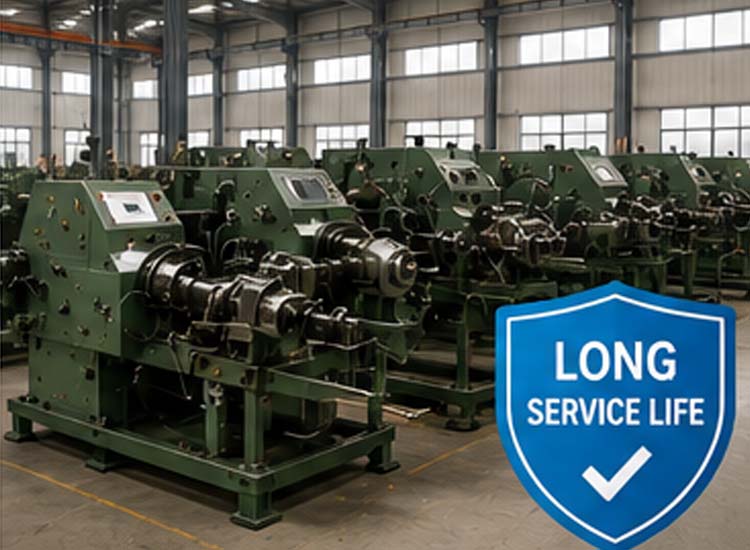
A high-quality nail making machine is designed for continuous industrial production.
Under normal operating conditions:
- Small and medium machines can operate for many years.
- Heavy-duty automatic nail making machines provide long-term stable production.
- Proper maintenance significantly extends equipment life.
The durability of the machine depends more on maintenance and operating conditions than on age alone.
Factors That Affect Machine Lifespan
1. Machine Structure and Manufacturing Quality
A strong machine frame offers:
- Better stability
- Lower vibration
- Improved accuracy
- Longer service life
Heavy-duty machine bodies are more suitable for long-term industrial use.
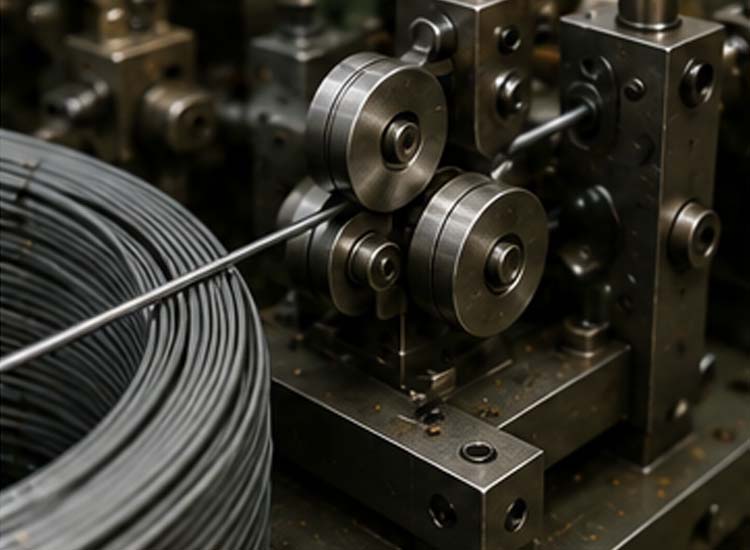
2. Quality of Steel Wire
Raw material quality affects:
- Cutting performance
- Tool wear
- Machine stability
- Production efficiency
Uniform steel wire reduces stress on machine components and minimizes maintenance requirements.
3. Production Environment
A clean production environment helps:
- Reduce dust accumulation
- Protect electrical systems
- Improve lubrication performance
- Extend component lifespan
Factories should maintain proper ventilation and cleanliness.
4. Daily Operating Practices
Correct operation helps avoid:
- Overloading
- Excessive vibration
- Abnormal wear
- Unexpected breakdowns
Operators should follow recommended production parameters.
Daily Maintenance Tips
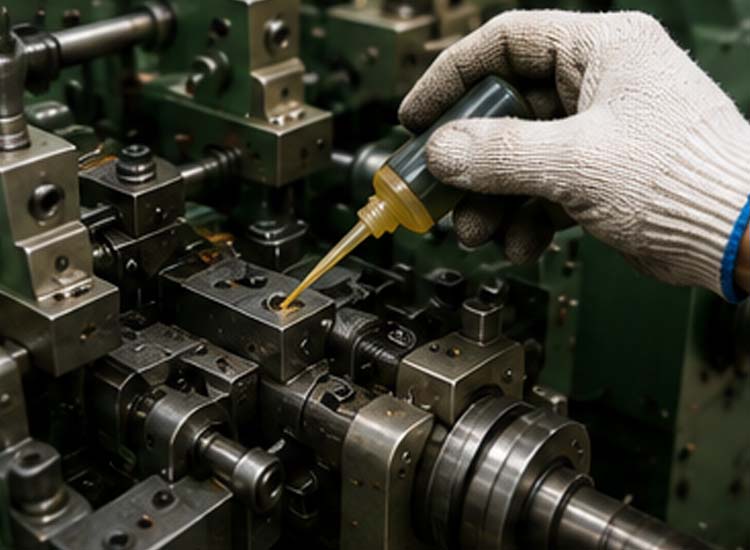
Lubricate Moving Parts
Regular lubrication:
- Reduces friction
- Minimizes wear
- Improves operating smoothness
Lubrication points should be inspected daily.
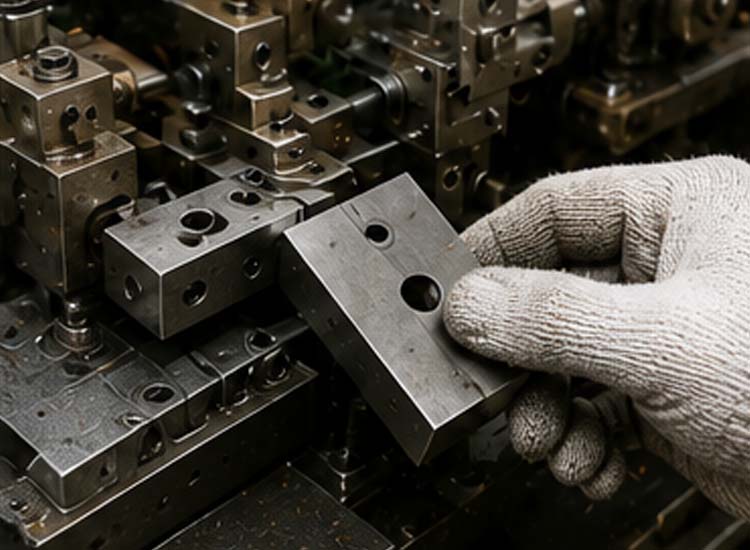
Check Cutting Tools
Inspect:
- Cutting blades
- Nail forming dies
- Wire feeding rollers
Worn tools should be replaced promptly.
Inspect Wire Feeding System
A stable feeding system ensures:
- Smooth wire movement
- Consistent nail quality
- Reduced machine stress
Abnormal feeding may reduce equipment life.
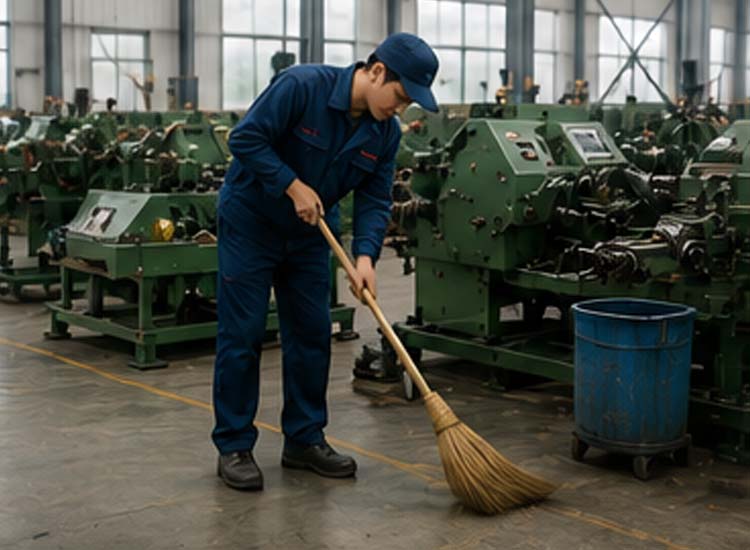
Clean the Machine Regularly
Daily cleaning removes:
- Metal dust
- Wire fragments
- Oil residue
A clean machine operates more efficiently.
Preventive Maintenance Schedule
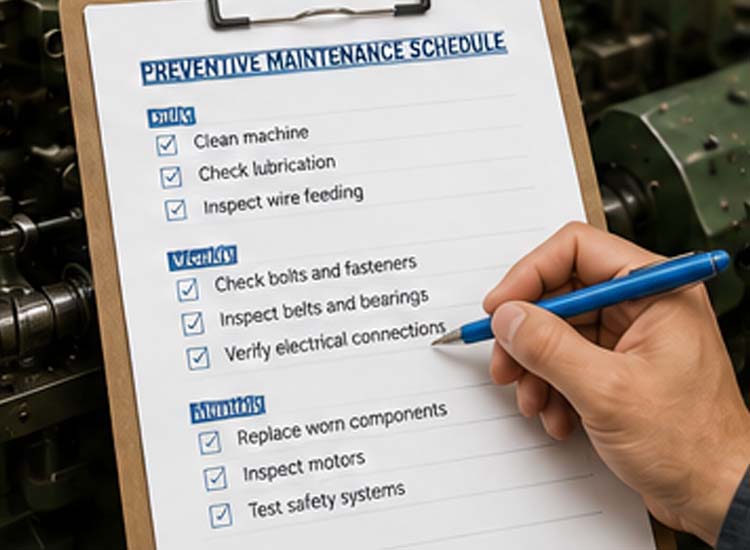
Manufacturers should establish a maintenance plan.
Daily
- Clean machine surfaces
- Check lubrication
- Inspect wire feeding
Weekly
- Check bolts and fasteners
- Inspect belts and bearings
- Verify electrical connections
Monthly
- Replace worn components
- Inspect motors
- Test safety systems
Regular inspections help prevent major failures.
Signs That Maintenance Is Needed
Pay attention to:
Unusual Noise
May indicate:
- Bearing wear
- Loose components
- Lubrication problems
Inconsistent Nail Sizes
Possible causes:
- Worn cutting tools
- Wire feeding issues
- Incorrect machine settings
Increased Vibration
May result from:
- Loose bolts
- Unbalanced components
- Mechanical wear
Early maintenance helps avoid expensive repairs.
Benefits of Proper Maintenance
Regular maintenance provides:
- Longer machine life
- Lower repair costs
- Stable production
- Better nail quality
- Higher production efficiency
- Reduced downtime
Why Automatic Nail Making Machines Last Longer
Modern automatic machines feature:
Heavy Duty Construction
Provides:
- Stable operation
- Lower vibration
- Improved durability
Precision Components
High-quality:
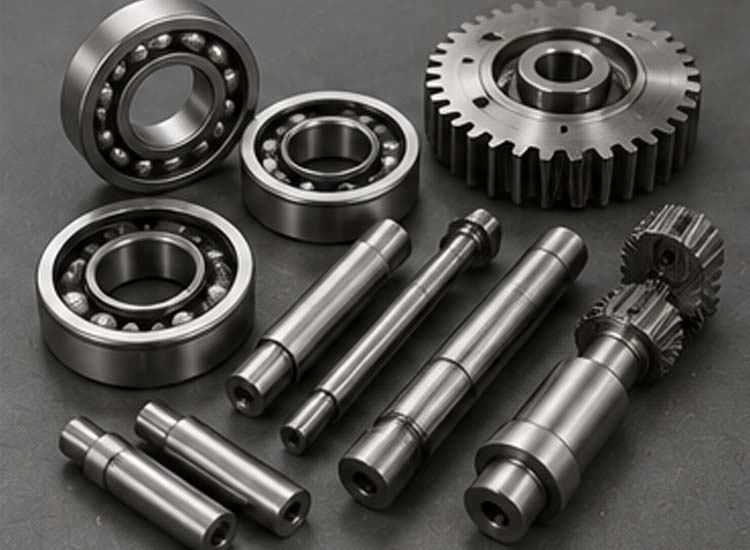
- Bearings
- Gear systems
- Feeding rollers
- Cutting mechanisms
These components improve long-term reliability.
Intelligent Control Systems
Automatic monitoring helps:
- Reduce operating errors
- Improve machine protection
- Increase production stability
Frequently Asked Questions
How many years can a nail making machine last?
With proper maintenance and normal operation, a quality machine can provide reliable service for many years.
Does maintenance affect machine lifespan?
Yes. Regular maintenance is one of the most important factors affecting equipment durability.
How often should lubrication be performed?
Daily inspection and regular lubrication are recommended.
Does wire quality influence machine wear?
Yes. High-quality steel wire reduces component wear and improves machine performance.
Is preventive maintenance necessary?
Absolutely. Preventive maintenance reduces downtime and lowers repair costs.