The nail manufacturing industry continues to grow alongside the construction, woodworking, furniture, and packaging sectors. As global infrastructure projects increase and demand for fasteners remains strong, many entrepreneurs are exploring opportunities in nail production.
Starting a nail manufacturing business can be a profitable investment when supported by the right equipment, production planning, and market strategy. Modern automatic nail making machines have made it easier than ever to establish a nail factory with high productivity and consistent product quality.
This guide explains everything you need to know about starting a nail manufacturing business, including equipment requirements, production processes, investment considerations, and profitability factors.
Nails are among the most widely used fastening products worldwide. They are essential in construction projects, furniture manufacturing, pallet production, packaging industries, and many industrial applications.
The growing demand for housing, infrastructure development, and industrial production creates a stable market for nail manufacturers.
Key advantages of the nail business include:
For many investors, nail production represents a practical entry point into the manufacturing sector.
Before investing in equipment, it is important to understand how nails are produced.
The standard manufacturing process includes:
Steel wire rods are processed through a wire drawing machine to achieve the desired wire diameter.
The prepared wire enters the automatic nail making machine, where it is cut, headed, and pointed into finished nails.
Finished nails are polished to improve surface appearance and remove manufacturing residues.
The final products are inspected, sorted, and packaged for distribution.
Modern production lines automate most of these steps, reducing labor requirements while improving efficiency.
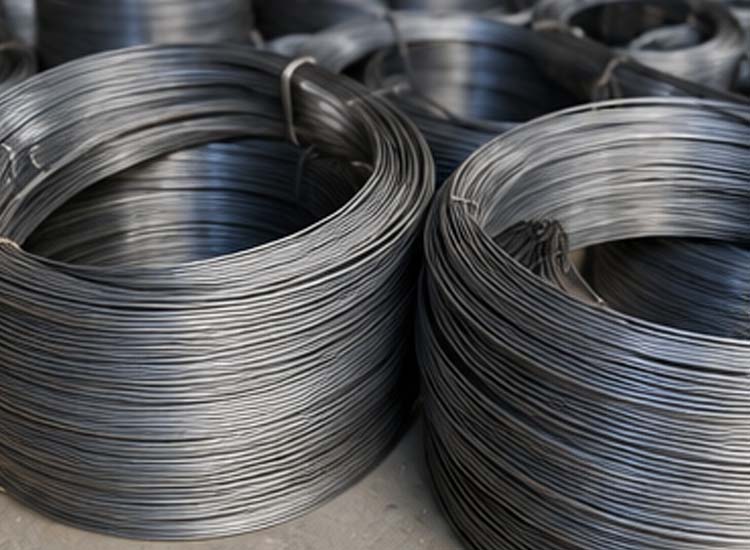
The wire drawing machine reduces the diameter of steel wire to meet nail production specifications.
Benefits include:
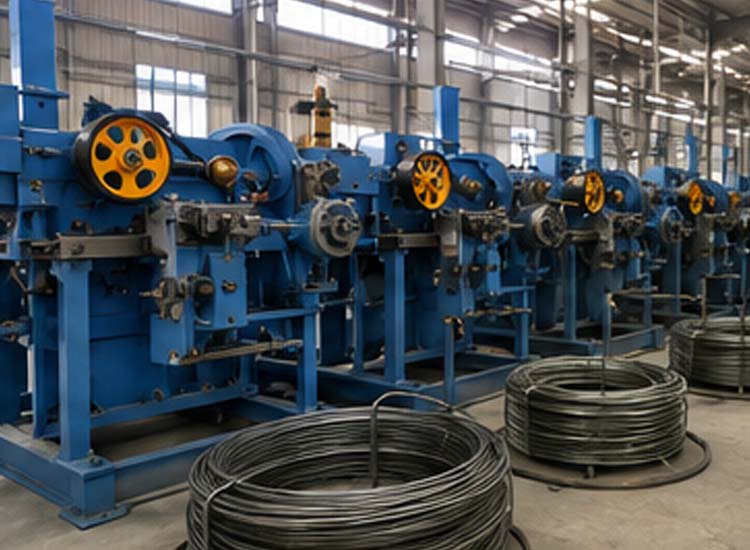
This is the core equipment of the production line.
Modern nail making machines can produce hundreds of nails per minute while maintaining stable quality and high efficiency.
Key features include:
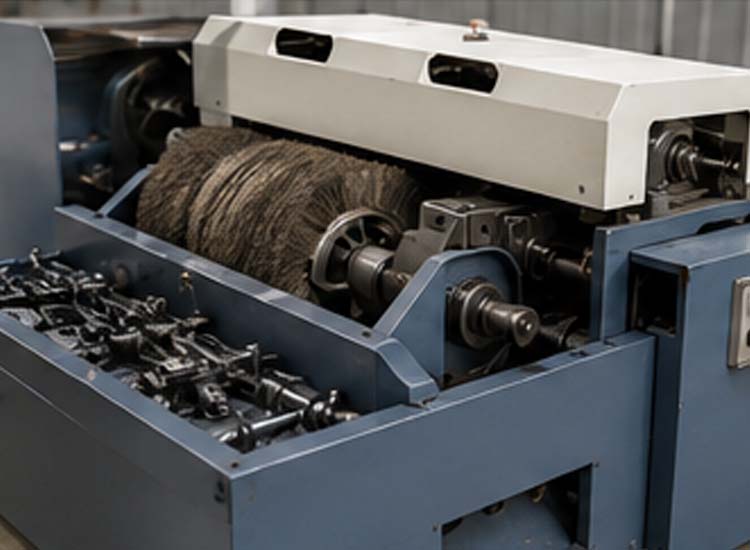
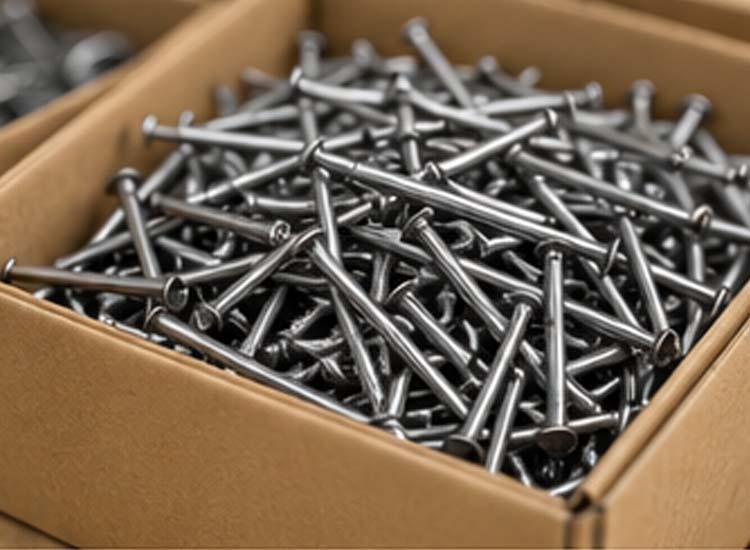
After production, nails are polished to improve appearance and prepare them for sale.
Polishing machines help manufacturers deliver higher-quality products to customers.
Additional equipment may include:
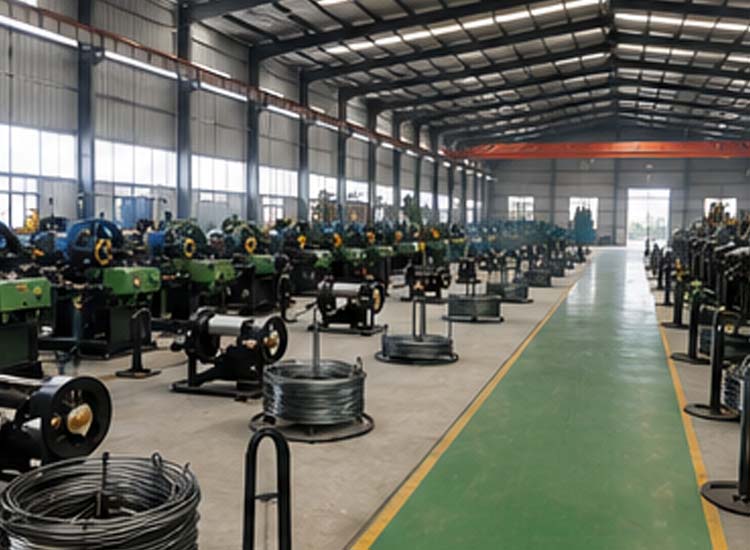
Location plays an important role in production efficiency and operating costs.
Ideal factory locations should provide:
Manufacturers should also consider future expansion opportunities when selecting a production site.
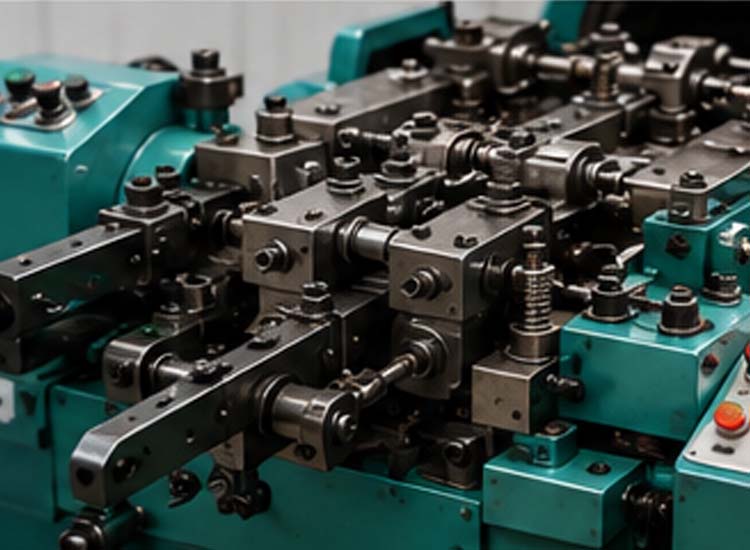
The primary raw material used in nail manufacturing is steel wire.
Factors to consider when sourcing wire include:
Consistent raw material quality directly affects nail performance and production efficiency.
Investment requirements vary depending on production capacity and automation level.
Major cost categories include:
Entrepreneurs should prepare a detailed business plan before purchasing equipment.
Profitability depends on several factors:
Factories that use modern automatic nail making machines often benefit from:
These advantages help improve profit margins and competitiveness.
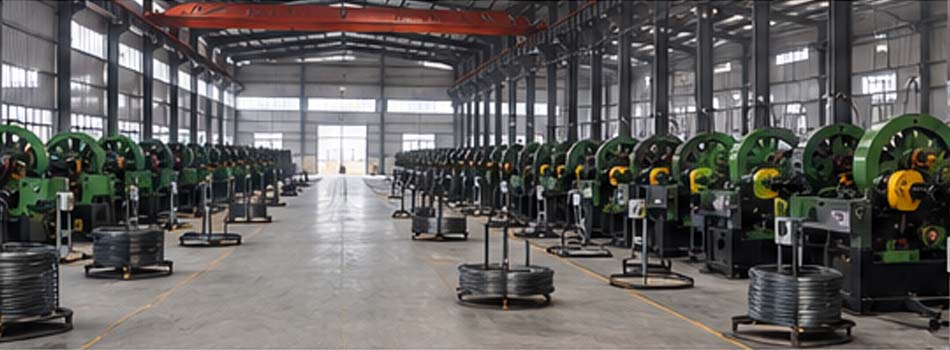
Modern machines significantly increase production capacity compared to traditional equipment.
Regular inspections reduce downtime and extend equipment lifespan.
Well-trained operators improve machine performance and production quality.
Consistent quality helps build customer trust and repeat business.
Reducing waste improves profitability and production efficiency.

Like any manufacturing business, nail production can face operational challenges.
Common issues include:
Proper planning and reliable equipment suppliers can help overcome these challenges.
Global construction growth and industrial development continue to create opportunities for nail manufacturers.
Emerging markets in:
are experiencing increasing demand for locally produced nails.
Manufacturers who invest in efficient production technology and maintain high product quality can position themselves for long-term success.
A basic setup typically includes a wire drawing machine, nail making machine, and polishing machine.
Modern automatic production lines require fewer workers than traditional systems.
Most machines can manufacture common wire nails, construction nails, pallet nails, and various industrial fasteners.
Yes. Production capacity can be scaled according to investment budget and market demand.
The payback period varies depending on production volume, operating costs, and local market conditions.
Starting a nail manufacturing business can be a rewarding investment for entrepreneurs seeking opportunities in the industrial sector. With growing global demand for nails and advances in automated production technology, modern nail factories can achieve high productivity, consistent quality, and competitive operating costs.
By selecting reliable equipment, maintaining quality standards, and developing a clear business strategy, manufacturers can build a sustainable and profitable nail production operation capable of serving local and international markets.