How to Maintain a Nail Making Machine for Long-Term Performance
Why Is Nail Making Machine Maintenance Important?
Routine maintenance offers several advantages:
- Improve machine stability
- Reduce unexpected breakdowns
- Extend equipment lifespan
- Lower repair costs
- Increase production efficiency
- Maintain consistent nail quality
Factories that follow proper maintenance schedules often achieve higher productivity and lower operating costs.
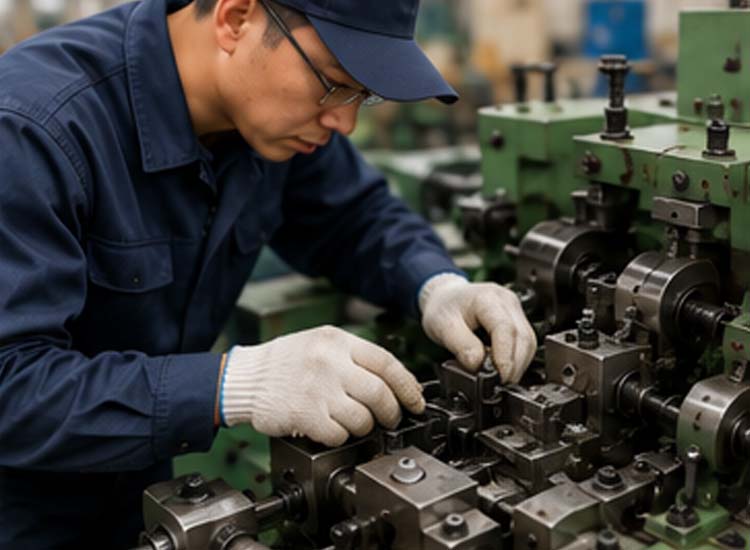
Daily Inspection Before Operation
Before starting the machine, operators should perform a routine inspection.
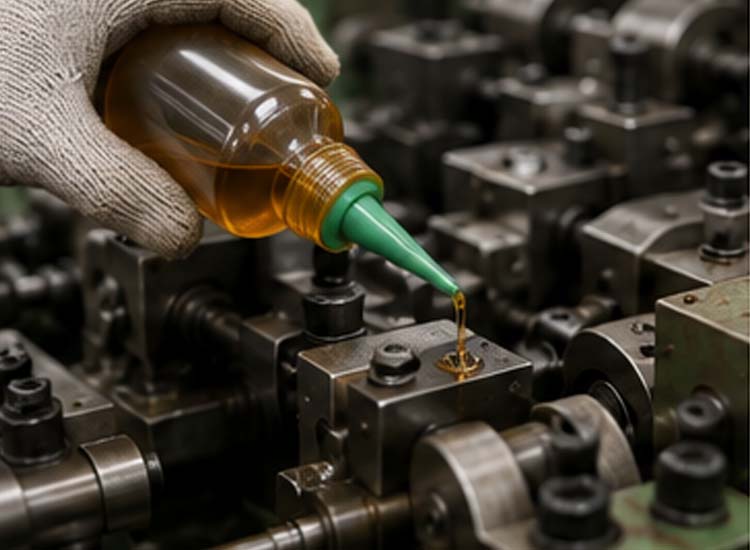
Check Lubrication System
Inspect:
- Lubricating oil level
- Oil circulation system
- Oil leakage
Proper lubrication reduces friction and protects moving components from excessive wear.
Inspect Fasteners and Bolts
Check whether:
- Bolts are loose
- Connections are secure
- Protective covers are fixed properly
Loose components may affect production accuracy and machine stability.
Check Electrical Components
Inspect:
- Electrical cables
- Control panels
- Switches
- Emergency stop buttons
Safe electrical systems help prevent production interruptions.
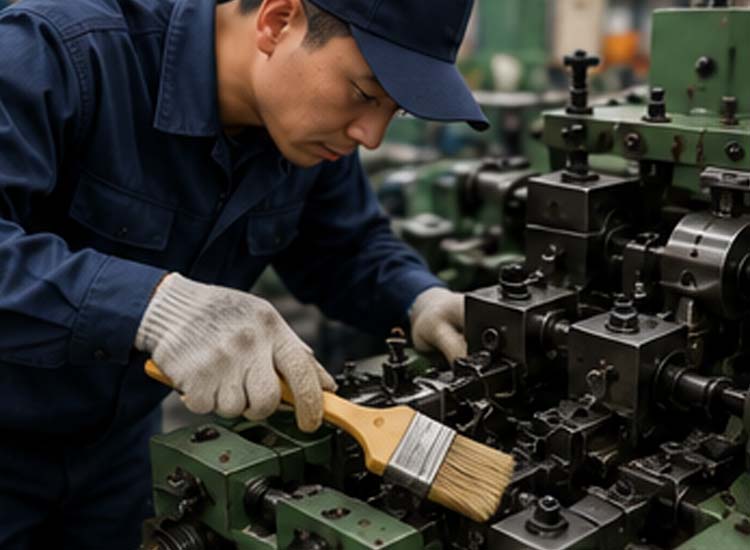
Regular Cleaning Procedures
Keeping the machine clean is an important maintenance practice.
Operators should remove:
- Metal chips
- Dust
- Oil residues
- Production waste
Clean equipment helps:
- Improve operating efficiency
- Prevent overheating
- Reduce component wear
Daily cleaning is highly recommended.
Lubrication Maintenance
Lubrication is essential for automatic nail making machines.
Components That Require Lubrication
- Main shaft bearings
- Connecting rods
- Gear systems
- Feeding mechanisms
- Sliding components
Benefits of Proper Lubrication
- Reduce friction
- Lower operating temperature
- Extend component lifespan
- Improve production stability
Always use lubricants recommended by the equipment manufacturer.
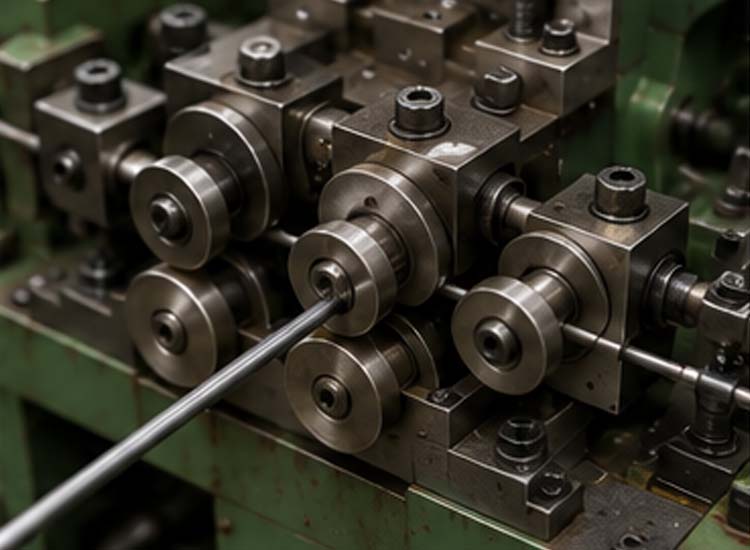
Feeding System Maintenance
The wire feeding system plays an important role in nail production.
Operators should inspect:
- Feeding rollers
- Wire alignment
- Feeding speed
- Roller wear
Stable feeding ensures:
- Consistent nail dimensions
- Smooth production
- Reduced material waste
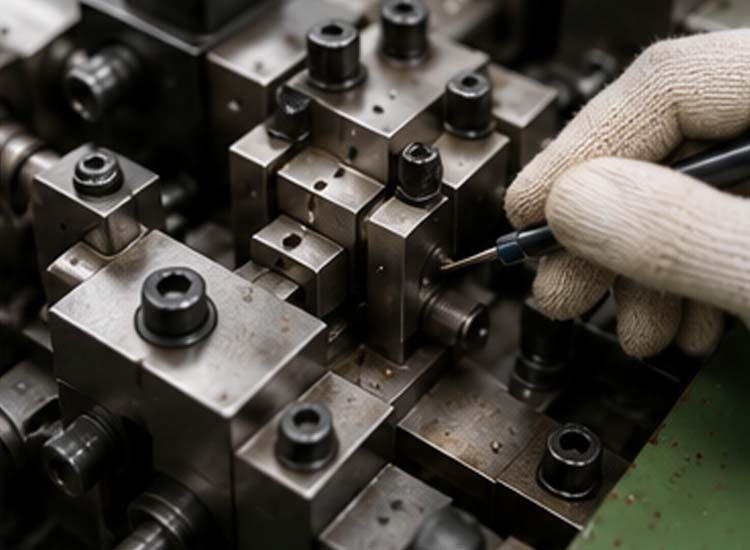
Nail Forming Die Inspection
The nail forming die directly affects product quality.
Regular inspection should focus on:
- Surface wear
- Dimensional accuracy
- Cracks or damage
- Installation condition
Replacing worn dies in time helps maintain consistent nail quality.
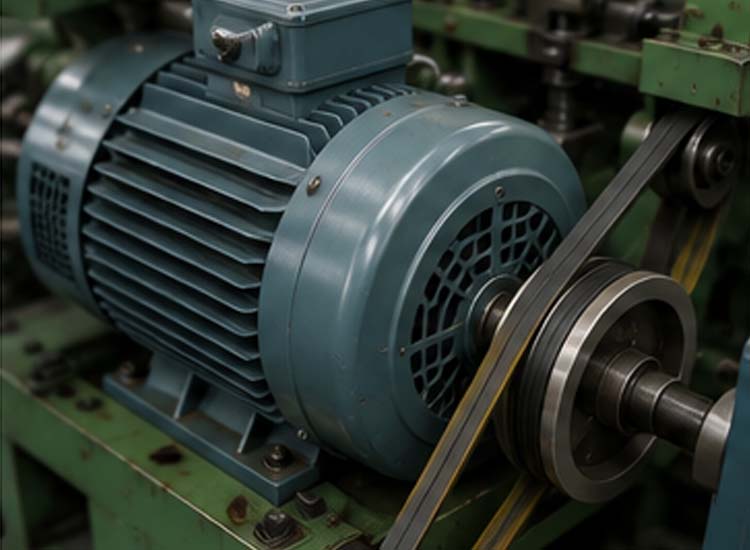
Motor and Transmission System Maintenance
The motor is the power source of the machine.
Maintenance should include:
Motor Inspection
Check:
- Operating temperature
- Noise levels
- Vibration
- Power consumption
Transmission System
Inspect:
- Belts
- Gears
- Bearings
- Couplings
Stable transmission systems improve machine reliability.
Cooling System Inspection
Machines operating continuously may generate heat.
Operators should ensure:
- Cooling fans operate normally
- Ventilation systems remain unobstructed
- Machine temperature stays within normal range
Effective cooling protects electrical and mechanical components.
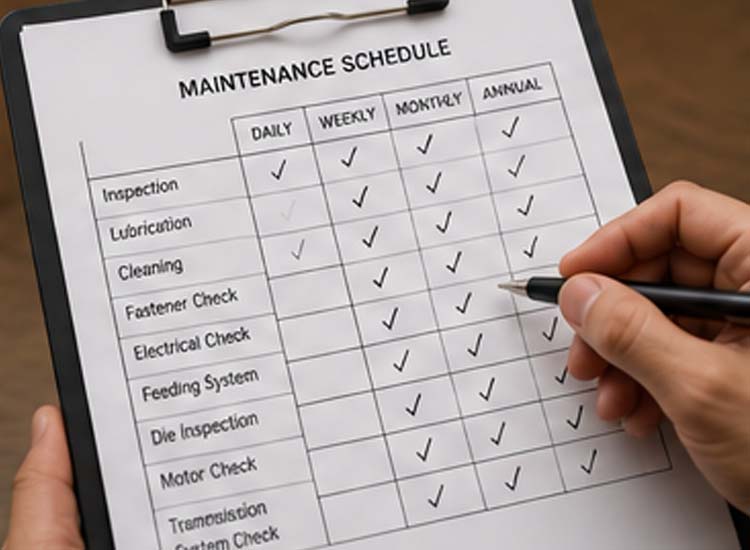
Scheduled Preventive Maintenance
Besides daily maintenance, factories should establish preventive maintenance schedules.
Weekly Maintenance
- Clean machine thoroughly
- Check lubrication
- Inspect wire feeding system
Monthly Maintenance
- Check bearings
- Inspect electrical systems
- Tighten bolts
Annual Maintenance
- Replace worn components
- Inspect motors
- Upgrade control systems if necessary
Preventive maintenance helps avoid major repairs.
Common Problems and Solutions
Irregular Nail Length
Possible causes:
- Feeding instability
- Worn cutting components
- Improper adjustments
Poor Nail Head Formation
Possible causes:
- Damaged dies
- Incorrect settings
- Excessive component wear
Excessive Machine Noise
Possible causes:
- Insufficient lubrication
- Bearing damage
- Loose components
Timely troubleshooting helps maintain production stability.
How Proper Maintenance Increases Profitability
Well-maintained machines provide:
Higher Production Efficiency
Less downtime means more production.
Lower Repair Costs
Preventive maintenance avoids expensive repairs.
Better Product Quality
Stable equipment ensures consistent nail specifications.
Longer Equipment Lifespan
Machines can operate reliably for many years.
Improved Factory Competitiveness
Efficient production helps manufacturers meet customer demands.
Frequently Asked Questions
How often should a nail making machine be lubricated?
Lubrication schedules depend on machine design and operating hours, but daily inspection is recommended.
Why is cleaning important?
Cleaning prevents dust accumulation, reduces wear, and improves machine efficiency.
How long can a nail making machine last?
With proper maintenance, industrial machines can operate reliably for many years.
What parts wear most frequently?
Common wear parts include:
- Forming dies
- Feeding rollers
- Bearings
- Cutting tools
Does preventive maintenance reduce costs?
Yes. Preventive maintenance helps avoid expensive repairs and reduces production interruptions.