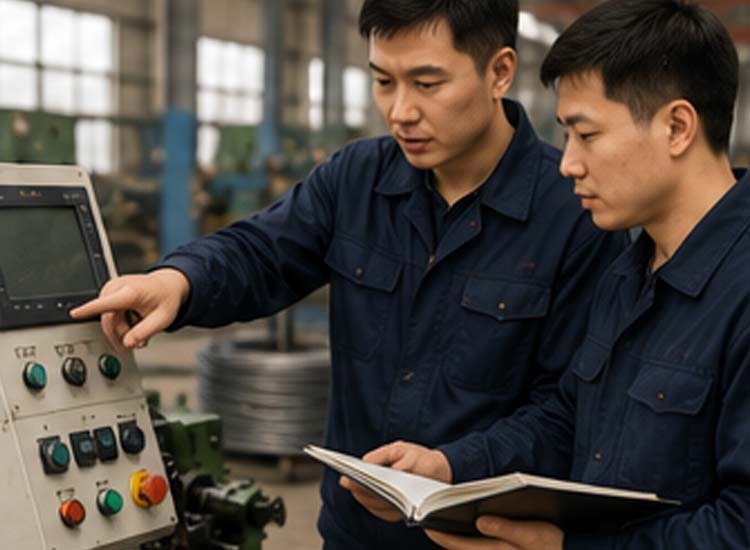
A nail making machine is the core equipment of any nail production line. The performance of the machine directly affects:
Investing in the right equipment helps manufacturers remain competitive in both domestic and international markets.
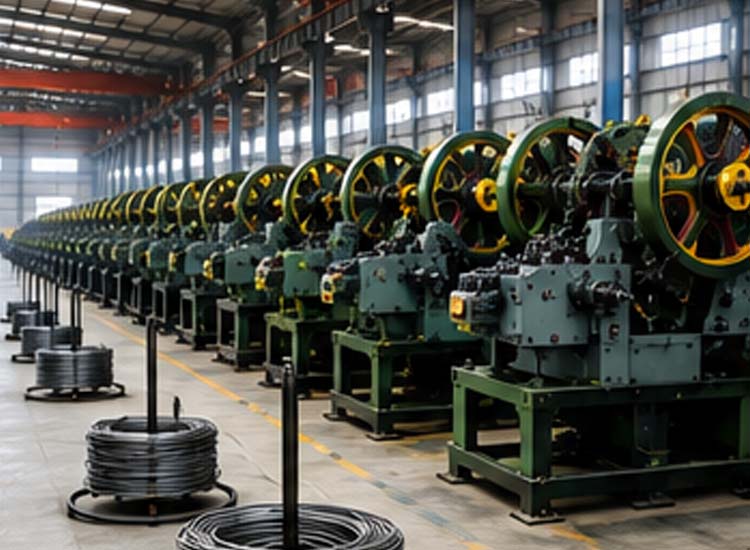
Before selecting a machine, manufacturers should evaluate their production goals.
Important questions include:
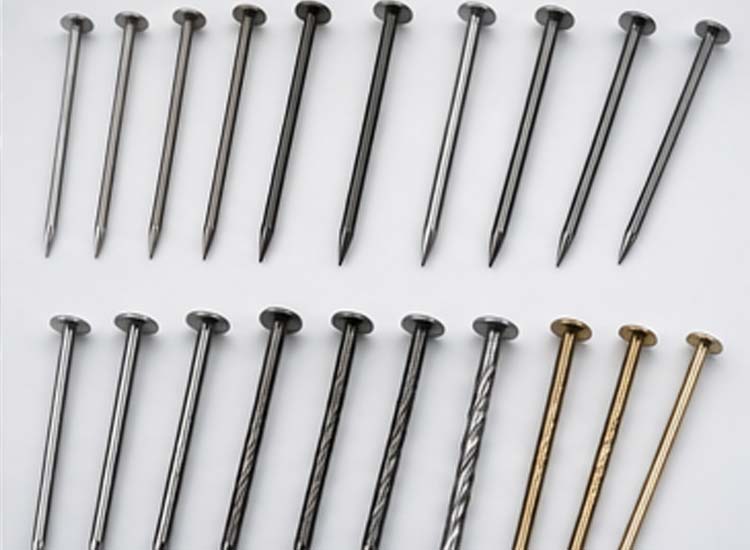
Different machines may support different products, including:
Understanding product requirements helps narrow equipment options.
Production capacity is usually measured by nails produced per minute.
Small factories may require moderate output, while large manufacturers often need high-speed production systems capable of continuous operation.
Choosing a machine that matches production goals helps avoid unnecessary investment or production limitations.
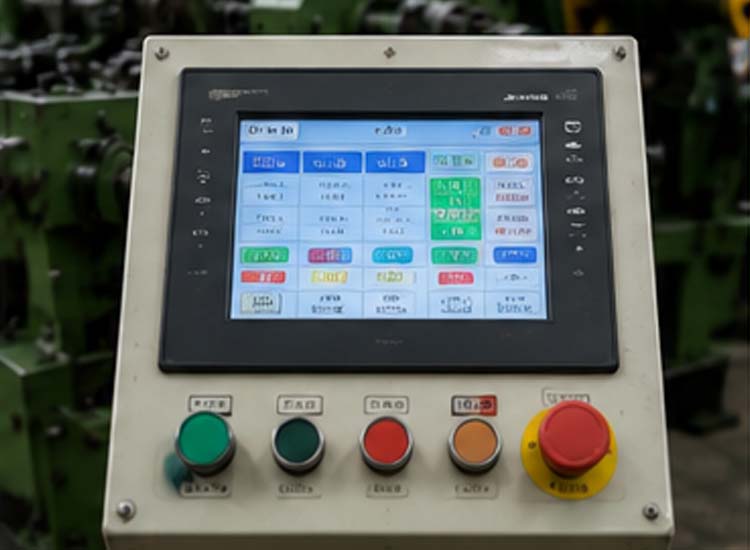
Production speed is one of the most important purchasing factors.
Modern high-speed nail making machines offer:
Higher-speed machines are generally recommended for factories planning long-term growth.
Automation can significantly improve manufacturing efficiency.
Popular automation features include:
Provides continuous material supply and reduces operator involvement.
Improves workflow and reduces manual handling.
Enhances packaging accuracy and production management.
Allow operators to monitor machine performance more efficiently.
Factories seeking maximum productivity often benefit from higher levels of automation.
Machine durability directly affects long-term operating costs.
Key factors include:
A strong machine frame improves stability during operation.
High-quality components ensure consistent nail dimensions and production accuracy.
Stable electrical systems reduce downtime and improve safety.
Premium mechanical components contribute to longer service life.
Investing in durable equipment often reduces maintenance expenses over time.
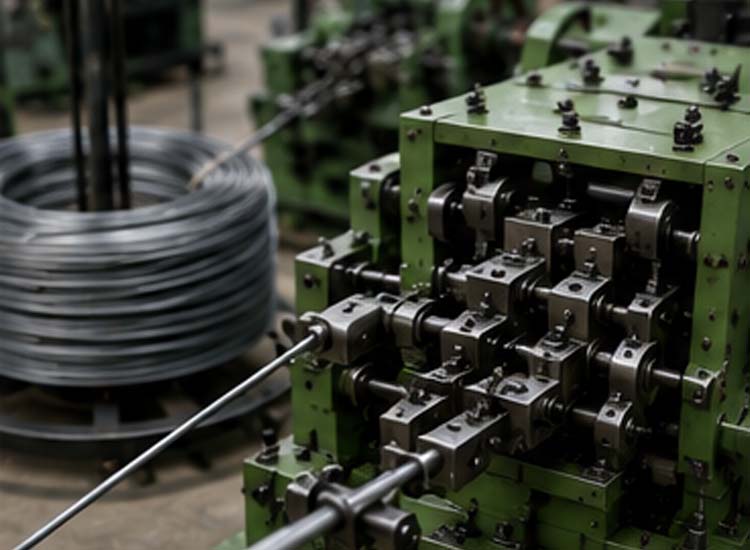
Not all nail making machines support the same specifications.
Manufacturers should verify:
Machines that support multiple nail sizes provide greater market opportunities and production flexibility.
Every machine requires routine maintenance.
Before purchasing equipment, manufacturers should consider:
Reliable maintenance support helps minimize production interruptions.
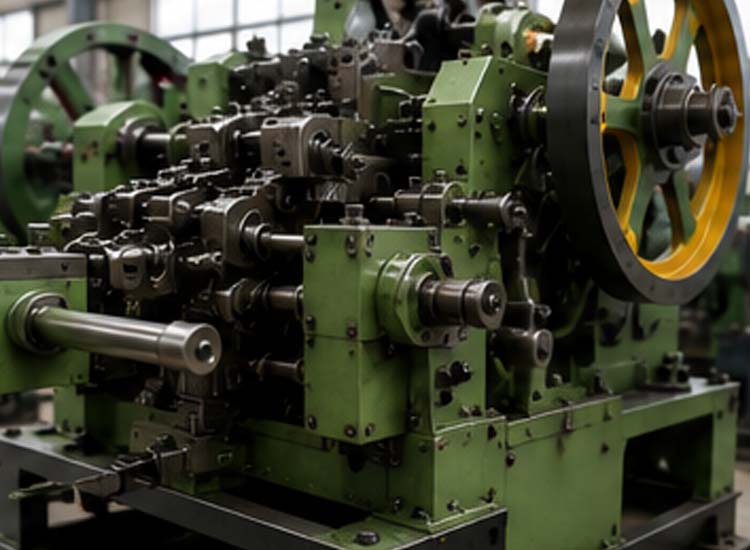
Energy costs can represent a significant portion of operating expenses.
Modern nail making machines are designed to:
Energy-efficient equipment contributes to long-term profitability.
Selecting a trustworthy supplier is just as important as selecting the machine itself.
Experienced manufacturers often provide:
Professional installation helps ensure smooth operation from the beginning.
Training improves production efficiency and reduces operating mistakes.
Reliable technical support helps maintain production stability and minimize downtime.
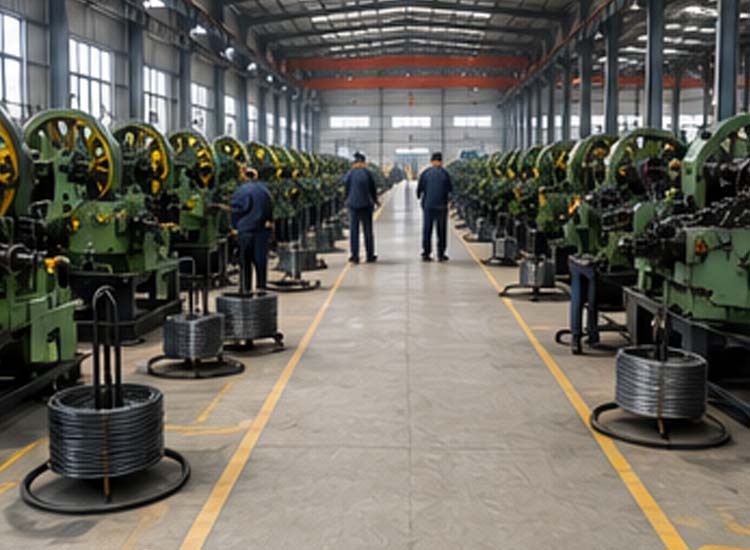
The cheapest machine may result in higher maintenance costs and lower productivity.
Manufacturers should consider future production growth when selecting equipment.
Careful evaluation helps avoid operational issues after installation.
Strong after-sales service is essential for long-term success.
Modern equipment offers several advantages:
Increased output supports growing market demand.
Precision manufacturing improves nail quality.
Automation reduces manual labor requirements.
Efficient production systems help increase overall profit margins.
Higher output and lower operating costs improve financial performance.
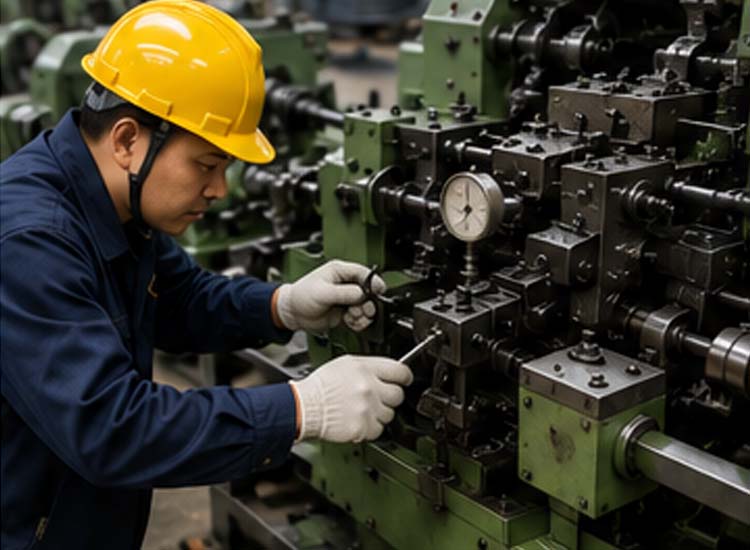
Nail manufacturing equipment is widely used in:
The broad application of wire nails ensures long-term market demand.
Production capacity, machine quality, and supplier support are among the most important considerations.
Most modern machines can manufacture multiple nail specifications through adjustments.
For medium and large manufacturers, high-speed machines often provide greater productivity and profitability.
With proper maintenance, industrial machines can operate reliably for many years.
Technical support helps reduce downtime and ensures stable production performance.