As the demand for construction materials, woodworking products, and packaging supplies continues to grow worldwide, nail production has become an important manufacturing industry. To meet increasing production requirements, many factories are investing in high speed nail making machines to improve efficiency, reduce labor costs, and maintain consistent product quality.
A high speed nail making machine is designed to transform steel wire into finished nails through a fully automated process. Compared with traditional nail production methods, modern nail manufacturing equipment can significantly increase output while ensuring precision and reliability.
In this article, we will explain how a high speed nail making machine works, its key components, production process, and the benefits it offers to nail manufacturers.
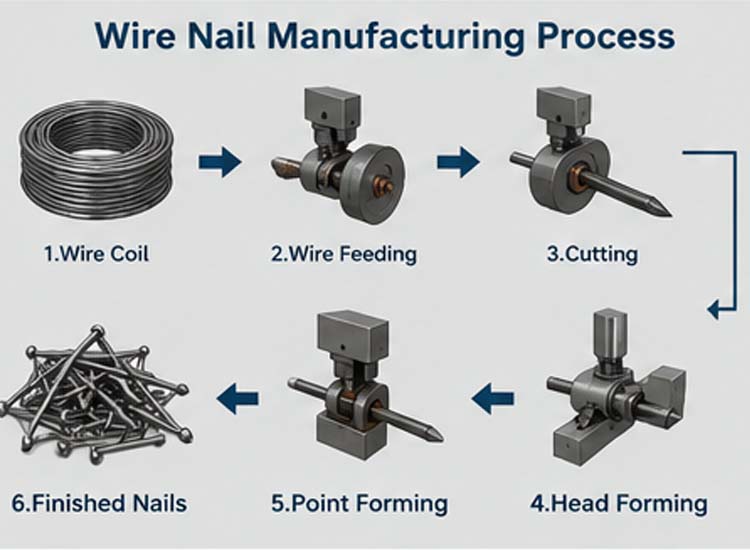
A high speed nail making machine is an automated industrial machine used to manufacture various types of wire nails from steel wire. It performs multiple operations, including wire feeding, cutting, nail head forming, and finished nail discharge, within a continuous production cycle.
Modern machines are capable of producing hundreds of nails per minute, making them ideal for large-scale manufacturing facilities.
Common products produced by these machines include:
By automating the production process, manufacturers can achieve higher productivity while maintaining consistent nail dimensions and quality.
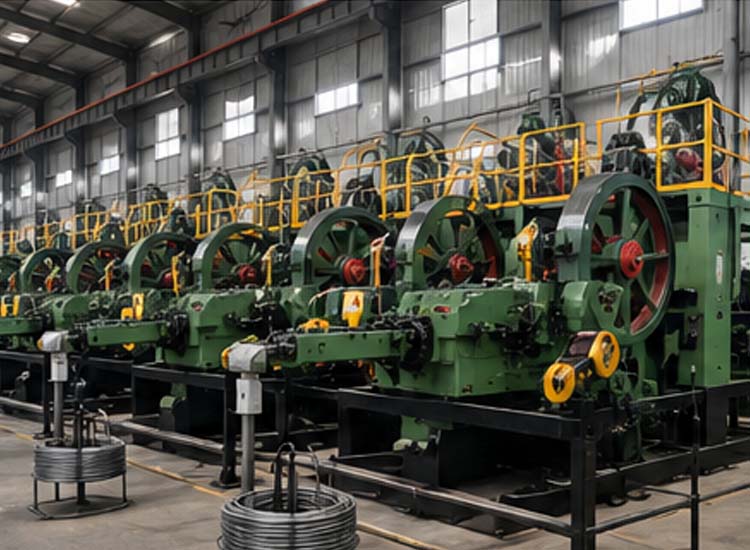
The wire feeding system supplies steel wire to the machine at a controlled speed. High-quality feeding mechanisms ensure smooth operation and accurate material positioning.
The performance of this component directly affects production stability and nail consistency.
Once the wire reaches the specified length, the cutting system precisely cuts the wire into individual nail blanks.
Advanced cutting units are designed to minimize material waste and maintain accurate nail lengths.
After cutting, the machine forms the nail head using a high-pressure mechanical process.
This step ensures that each nail has a uniform head size and shape, which is essential for product quality and market acceptance.
The nail tip is shaped during the manufacturing process to create a sharp point suitable for various applications.
Proper point formation improves penetration performance and user satisfaction.
Completed nails are automatically discharged and collected for further processing, such as polishing, inspection, and packaging.
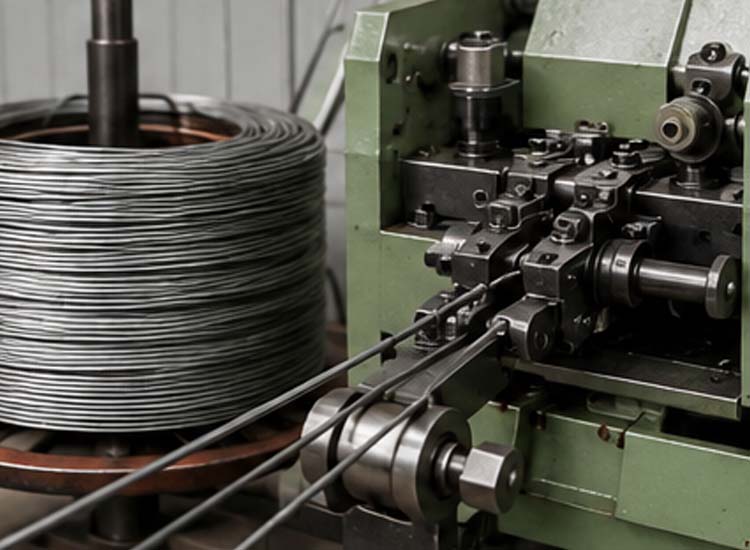
The process begins with high-quality steel wire coils. Depending on the nail specifications, wire may first pass through a wire drawing machine to achieve the required diameter.
The prepared wire is continuously fed into the nail making machine through the feeding system.
The machine controls wire movement with high precision to ensure uniform nail dimensions.
The wire is cut according to the preset nail length. Modern machines can produce a wide range of nail sizes by adjusting machine settings.
After cutting, the machine forms the nail head using specialized dies and mechanical force.
This process is completed within milliseconds, allowing high production speeds.
The machine simultaneously shapes the nail point to ensure sharpness and proper performance.
Finished nails are collected automatically and transferred to the next stage of production.
After manufacturing, nails are often polished to improve surface appearance and corrosion resistance before packaging for shipment.
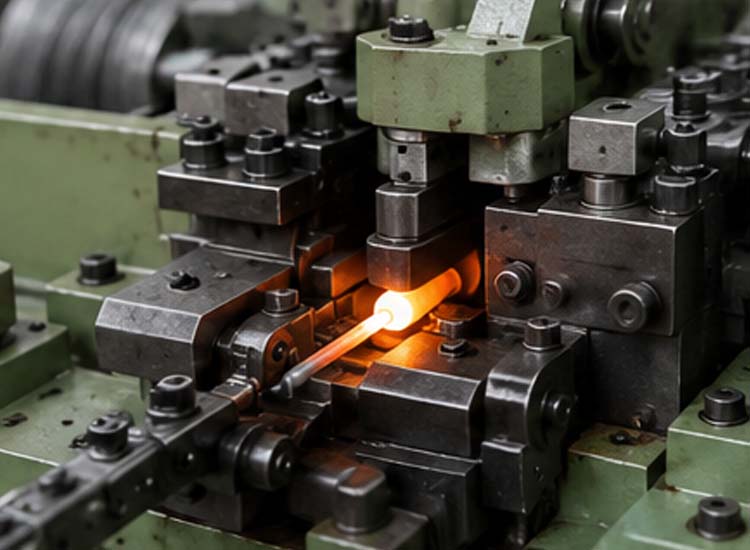
Modern equipment can produce large quantities of nails within a short period, helping manufacturers meet growing market demand.
Automation minimizes the need for manual intervention, reducing labor requirements and operating expenses.
Precision manufacturing technology ensures uniform nail size, weight, and appearance.
Advanced feeding and cutting systems improve material utilization and reduce production losses.
Industrial-grade components provide stable operation and extended service life, making the equipment a valuable long-term investment.
High speed nail production equipment is widely used in:
Nails are essential for building structures, roofing systems, and framing applications.
Furniture manufacturers and woodworking factories require large quantities of nails for assembly processes.
Wooden pallets and packaging crates depend heavily on nail products.
Various industrial applications use nails as fastening solutions in production environments.
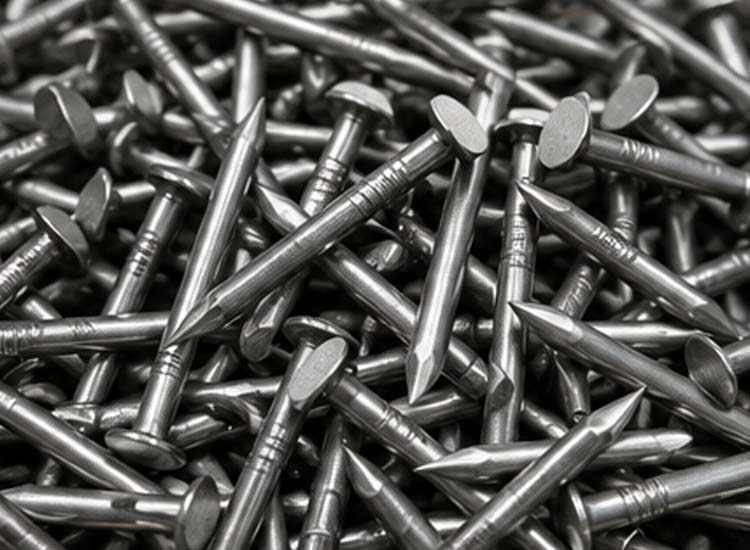
When selecting a nail production machine, manufacturers should consider:
Choosing equipment from an experienced manufacturer can improve production efficiency and reduce maintenance costs.
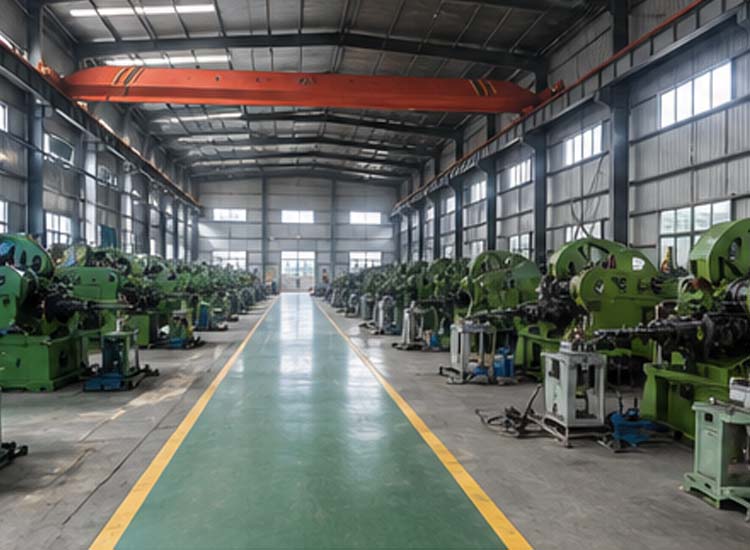
Production capacity varies by model, but many machines can manufacture several hundred nails per minute.
Most machines process low-carbon steel wire, galvanized wire, and other suitable wire materials.
Yes. Basic training helps operators maximize machine performance and ensure safe operation.
Yes. Most modern machines support multiple nail specifications through adjustments and tooling changes.
With proper maintenance, industrial nail making machines can provide reliable service for many years.
A high speed nail making machine plays a vital role in modern nail manufacturing by automating the production process and improving efficiency. From wire feeding and cutting to nail head formation and final collection, every stage is designed to deliver high output and consistent quality.
For manufacturers looking to expand production capacity, reduce operating costs, and improve product consistency, investing in advanced nail making equipment is a practical and profitable solution. As global demand for nails continues to increase, high speed nail making machines will remain an essential asset for competitive nail production businesses.