Common nails and concrete nails are two of the most widely used fasteners in the construction industry. Although they may look similar, they are designed for different materials and applications.
Many buyers, builders, and distributors often ask:
What is the difference between common nails and concrete nails?
Which nail is stronger?
Can concrete nails be used for wood?
Which nail should I choose for my project?
In this guide, we compare common nails and concrete nails in terms of material, hardness, applications, manufacturing process, and performance to help you choose the right product.
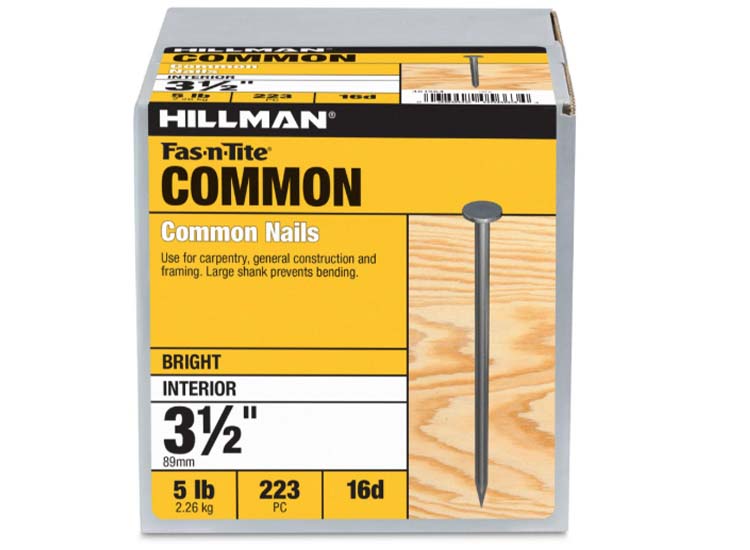
Common nails are standard wire nails used primarily for wood construction and general carpentry.
They are usually manufactured from low carbon steel wire using automatic nail making machines.
Main Features of Common Nails
Smooth or slightly textured shank
Large flat nail head
Good holding power in wood
Easy to drive with a hammer or nail gun
Cost-effective for large-scale construction projects
Common nails are widely used because they provide a strong connection in wooden structures while remaining economical to produce.
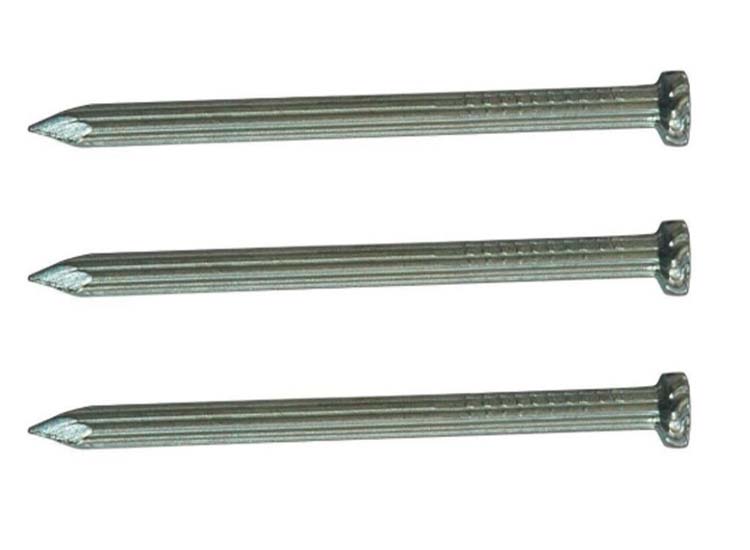
Concrete nails are specialized nails designed for fastening materials to concrete, brick, and masonry surfaces.
They are typically made from high carbon steel wire, which provides much greater hardness than common nails.
Main Features of Concrete Nails
Hardened steel construction
Strong penetration capability
Excellent resistance to bending
Suitable for hard materials
Designed for concrete and masonry applications
Concrete nails can penetrate hard surfaces that would damage or bend ordinary nails.
|
Feature |
Common Nails |
Concrete Nails |
|---|---|---|
|
Material |
Low carbon steel |
High carbon hardened steel |
|
Hardness |
Medium |
Very high |
|
Main Application |
Wood construction |
Concrete and masonry |
|
Resistance to Bending |
Moderate |
Excellent |
|
Penetration Power |
Suitable for wood |
Suitable for concrete |
|
Production Material Cost |
Lower |
Higher |
|
Typical Use |
Framing, carpentry |
Concrete fastening |
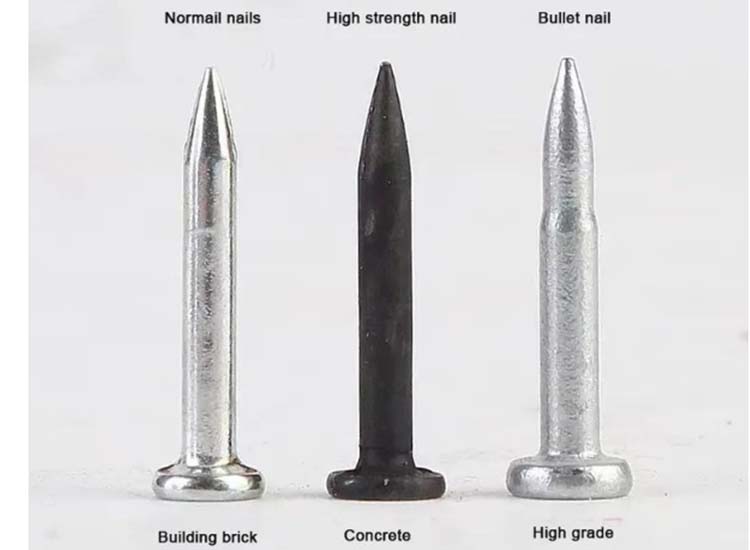
Concrete nails are generally stronger than common nails because they are made from hardened high carbon steel.
They offer:
Higher hardness
Better resistance to bending
Improved penetration into hard surfaces
Greater durability in heavy-duty applications
However, this does not mean concrete nails are always the better choice. Using a concrete nail in soft wood may be unnecessary and can sometimes make installation more difficult.
Yes, concrete nails can be used for wood, but they are usually not the best option.
Common nails are preferred for wood because they:
Drive into wood more easily
Are less likely to split the wood
Cost less
Provide sufficient holding power for most wooden structures
Concrete nails are mainly intended for hard materials such as concrete, brick, and masonry.
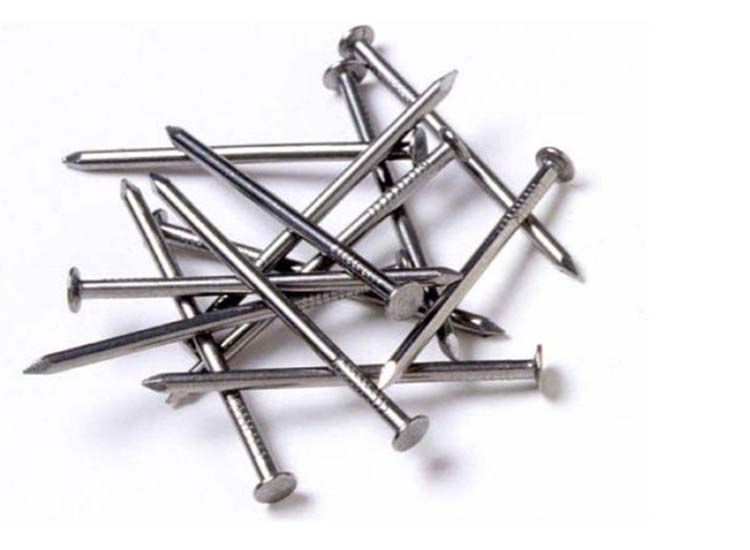
Common nails are widely used in:
Wood framing
House construction
Carpentry
Furniture manufacturing
Wooden pallets
General woodworking projects
They are one of the most commonly produced products by automatic nail making machines worldwide.
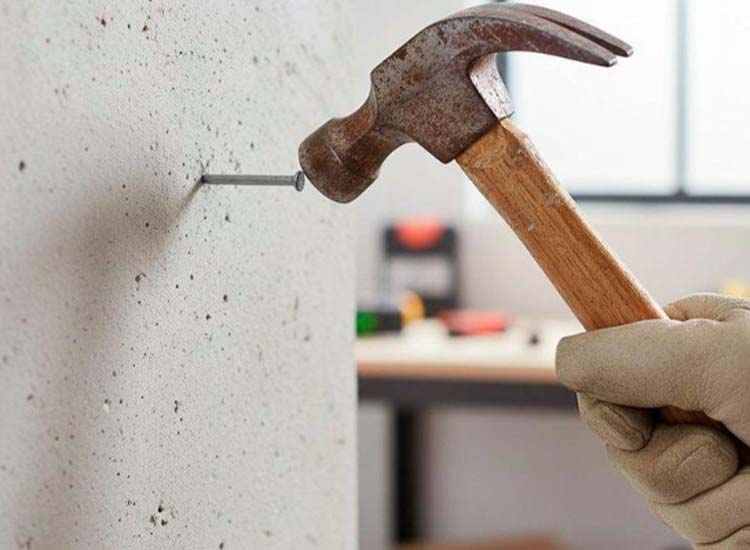
Concrete nails are commonly used for:
Attaching wood to concrete walls
Fastening materials to brick surfaces
Masonry construction
Concrete formwork
Industrial installation projects
Heavy-duty construction applications
Their hardened structure allows them to penetrate surfaces that ordinary nails cannot handle effectively.
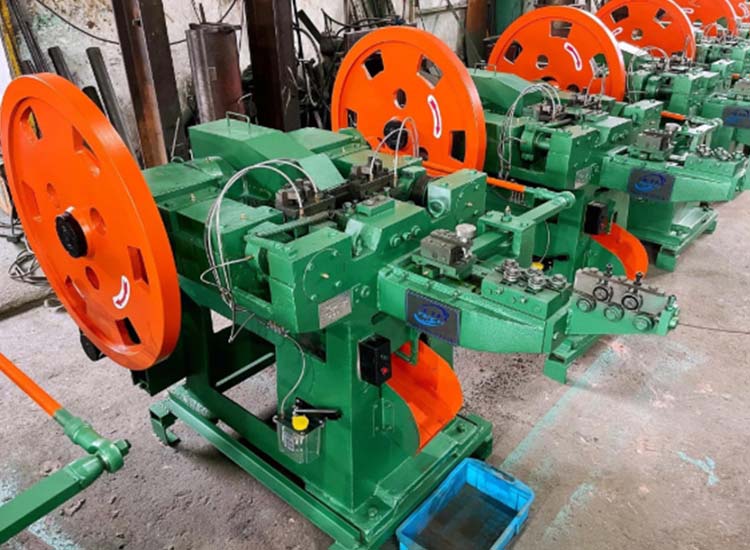
Modern automatic nail making machines can produce both common nails and concrete nails through similar production processes:
Steel wire feeding
Wire cutting
Nail head forming
Nail point shaping
Collection and polishing
The main difference is the raw material used:
Common nails: Low carbon steel wire
Concrete nails: High carbon steel wire with additional hardening treatment
You are working with wood
You need a cost-effective solution
You are building wooden structures
You are manufacturing furniture or pallets
You need fast and easy installation
You are fastening materials to concrete
You are working with brick or masonry
You need higher hardness and strength
You require excellent penetration into hard surfaces
You are performing heavy-duty construction work
Are concrete nails more expensive than common nails?
Yes. Concrete nails are usually more expensive because they use harder steel and often require additional heat treatment.
Can common nails be used in concrete?
Generally no. Common nails may bend or fail when driven into concrete or masonry surfaces.
Which nail is better for wooden houses?
Common nails are usually the best choice for wooden house framing and general carpentry.
Do concrete nails rust?
Concrete nails can rust if they are not galvanized or coated. Galvanized concrete nails provide better corrosion resistance.
Can one nail making machine produce both types?
Yes. Many automatic nail making machines can produce both common nails and concrete nails by changing the wire material and adjusting production settings.