Manufacturing costs directly affect a company's competitiveness.
Lower production costs allow manufacturers to:
Reducing costs does not simply mean spending less—it means producing more efficiently with fewer resources.
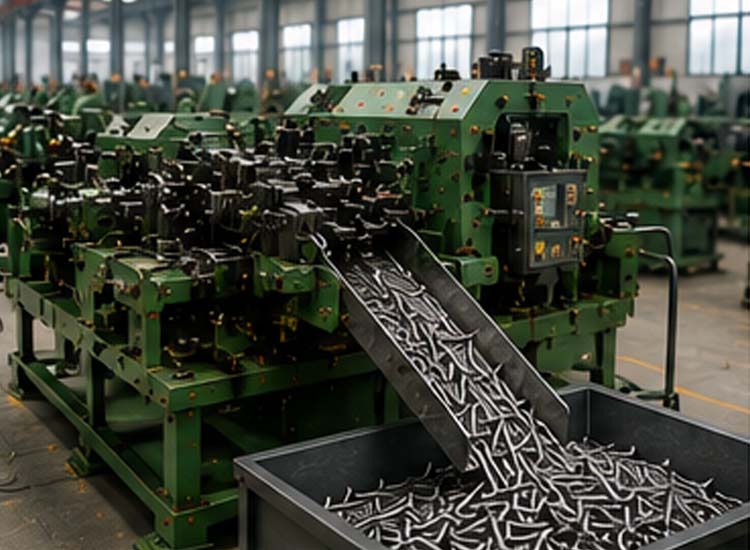
One of the biggest advantages of automatic nail making machines is reducing manual labor.
Traditional production often requires multiple operators to feed wire, monitor production, collect finished nails, and handle quality checks.
Modern automatic machines can perform these tasks with minimal operator intervention.
Automation allows one operator to supervise several machines simultaneously, significantly lowering labor costs.
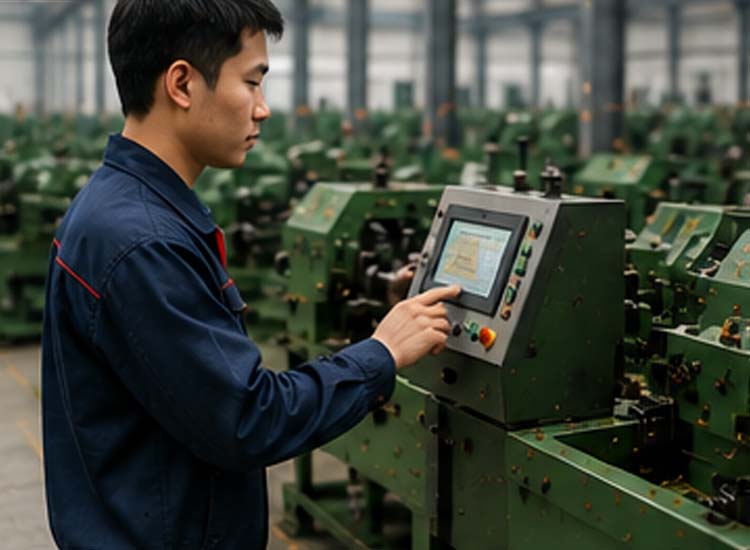
Production efficiency has a direct impact on manufacturing costs.
High-speed automatic nail making machines produce thousands of nails per hour while maintaining stable quality.
Higher production capacity means:
Producing more products with the same equipment improves overall profitability.
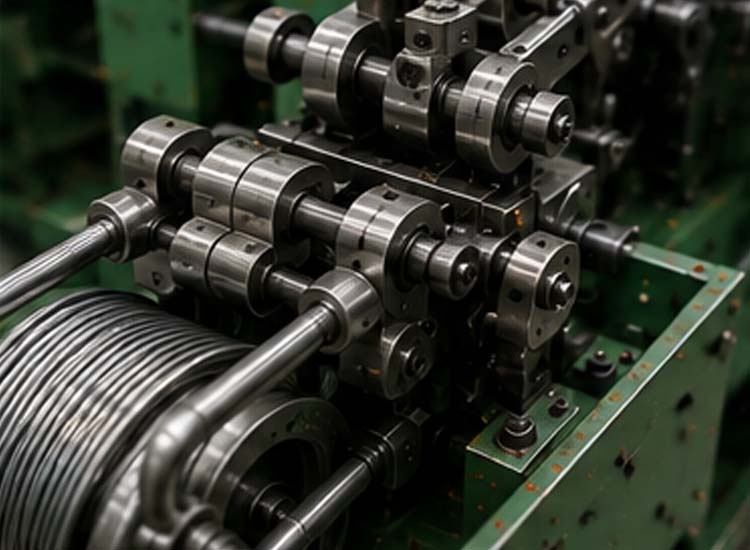
Raw materials account for a significant portion of manufacturing costs.
Modern nail making machines feature precision wire feeding systems that minimize waste during production.
Advantages include:
Less waste means lower raw material expenses and improved production efficiency.
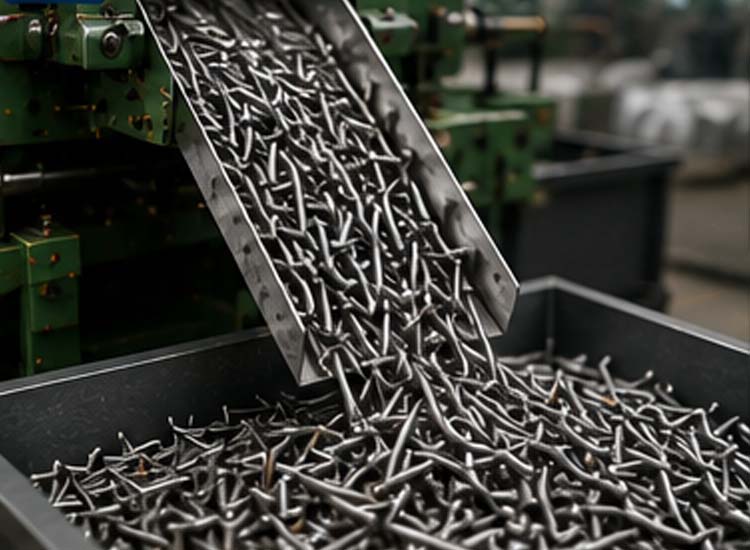
Consistent product quality reduces costly rework and customer complaints.
Automatic machines maintain precise control over:
Uniform products improve customer confidence and reduce quality-related losses.
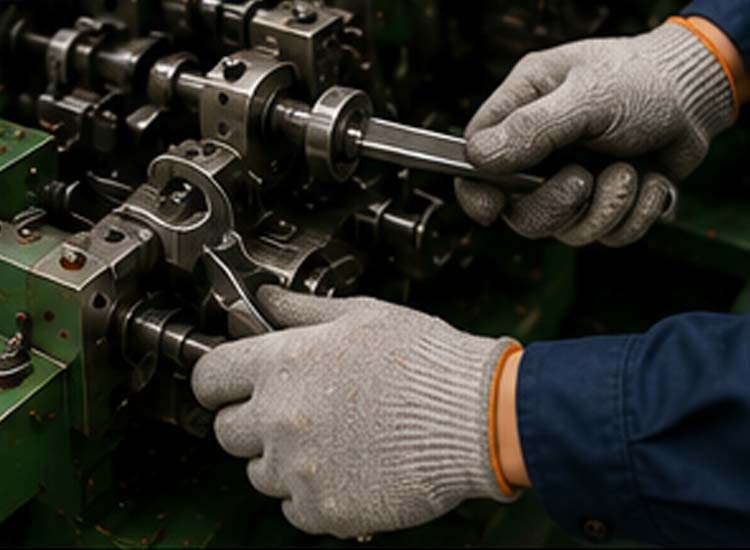
Modern equipment is designed for durability and easy maintenance.
With regular preventive maintenance, manufacturers can:
Replacing wear parts on time is much less expensive than repairing major machine failures.
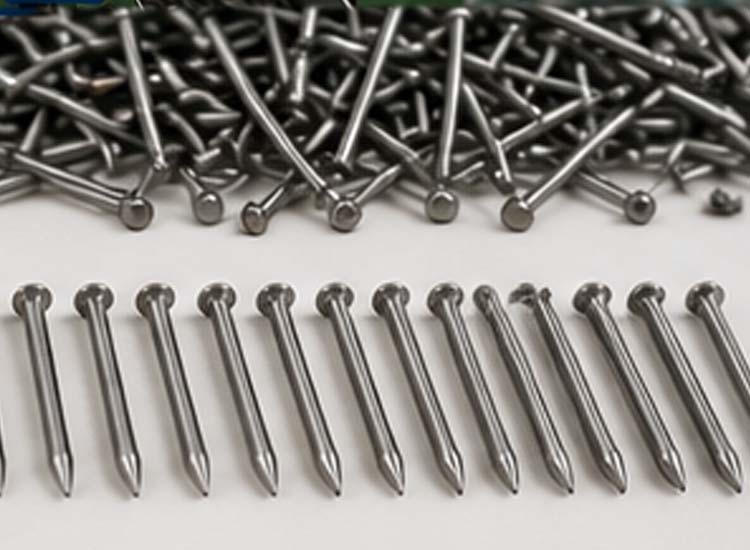
New-generation automatic nail making machines are engineered for efficient energy use.
Benefits include:
Energy-efficient production helps manufacturers lower long-term operating costs.
Downtime is expensive.
Automatic systems reduce production interruptions by providing:
Higher machine utilization leads to greater production output without increasing factory space.
Lower production costs make it easier to grow a manufacturing business.
Manufacturers can:
Automation creates opportunities for sustainable business growth.
| Production Factor | Manual Process | Automatic Nail Making Machine |
|---|---|---|
| Labor Requirement | High | Low |
| Production Speed | Moderate | High |
| Product Consistency | Variable | Excellent |
| Material Waste | Higher | Lower |
| Energy Efficiency | Moderate | High |
| Maintenance Planning | Difficult | Easier |
| Cost per Nail | Higher | Lower |
This comparison shows why automation has become the preferred solution for modern nail manufacturers.
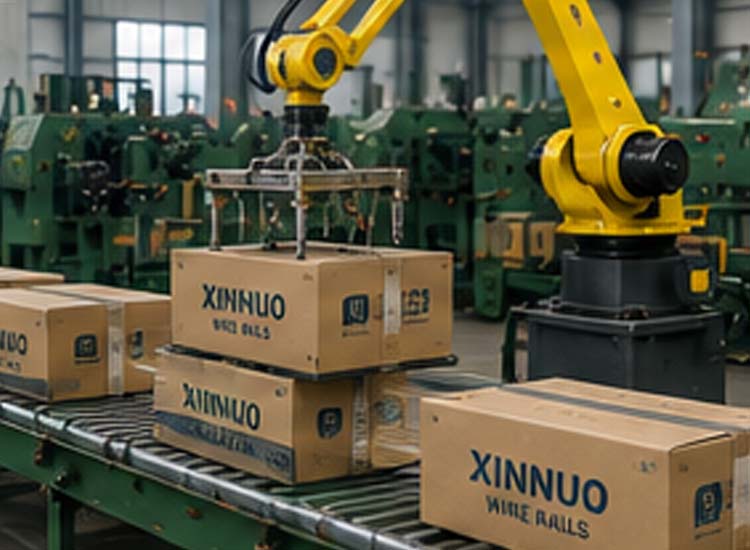
To achieve the best results:
Small improvements in daily operations can lead to significant long-term savings.

Yes. Automation reduces labor, minimizes waste, improves efficiency, and lowers the overall cost per nail.
Yes. Small and medium-sized manufacturers can also benefit from improved productivity and lower operating costs.
The payback period depends on production volume, labor costs, and local market demand, but many manufacturers recover their investment through increased efficiency and reduced operating expenses.
Yes. Automatic systems produce nails with more consistent dimensions and surface quality.
For most manufacturers, labor reduction and increased production efficiency provide the greatest savings.